
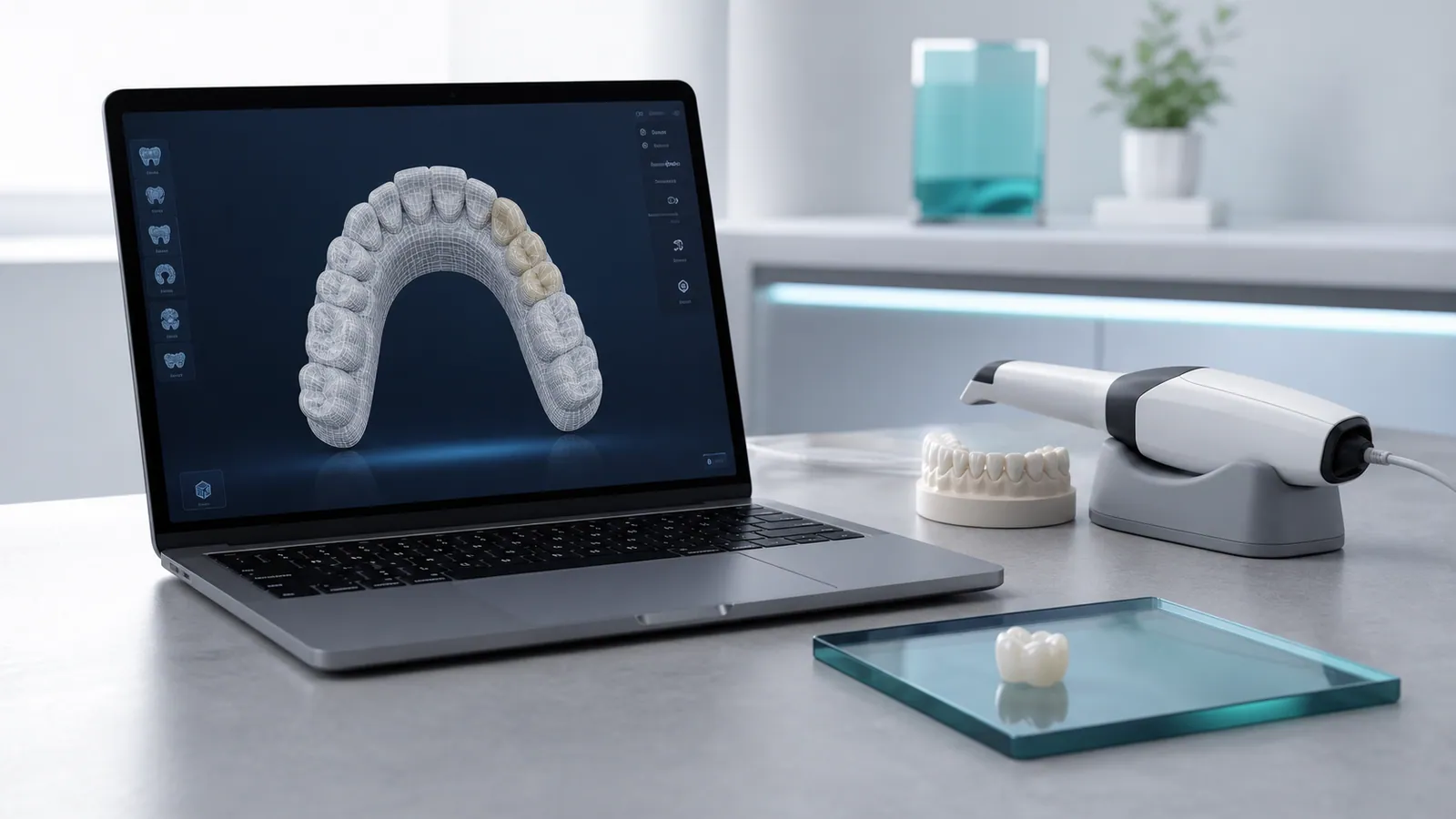
Digital workflow
Digital vs Traditional Dental Impressions: What a Lab Needs
Scans and impressions capture the same tooth, but they reach the laboratory as very different records. This guide compares what each route requires.
Read guidePractical guides written for procurement and technical decision-makers — each one links back to the service pages that do the work.
Digital workflow
Scans and impressions capture the same tooth, but they reach the laboratory as very different records. This guide compares what each route requires.
Read guide
Product guidance
Orthodontic appliances are built from the same models and scans as restorative work, but to a different set of measurements. This guide covers what the lab needs.
Read guide
Product guidance
Both designs retain a removable prosthesis on modified abutment teeth. This guide compares the preparation, retention and maintenance each one involves.
Read guide Materials and design
The interim restoration holds the space and the occlusion while the definitive work is made. This guide compares PMMA, printed resin and acrylic and the records each one needs.
Read guide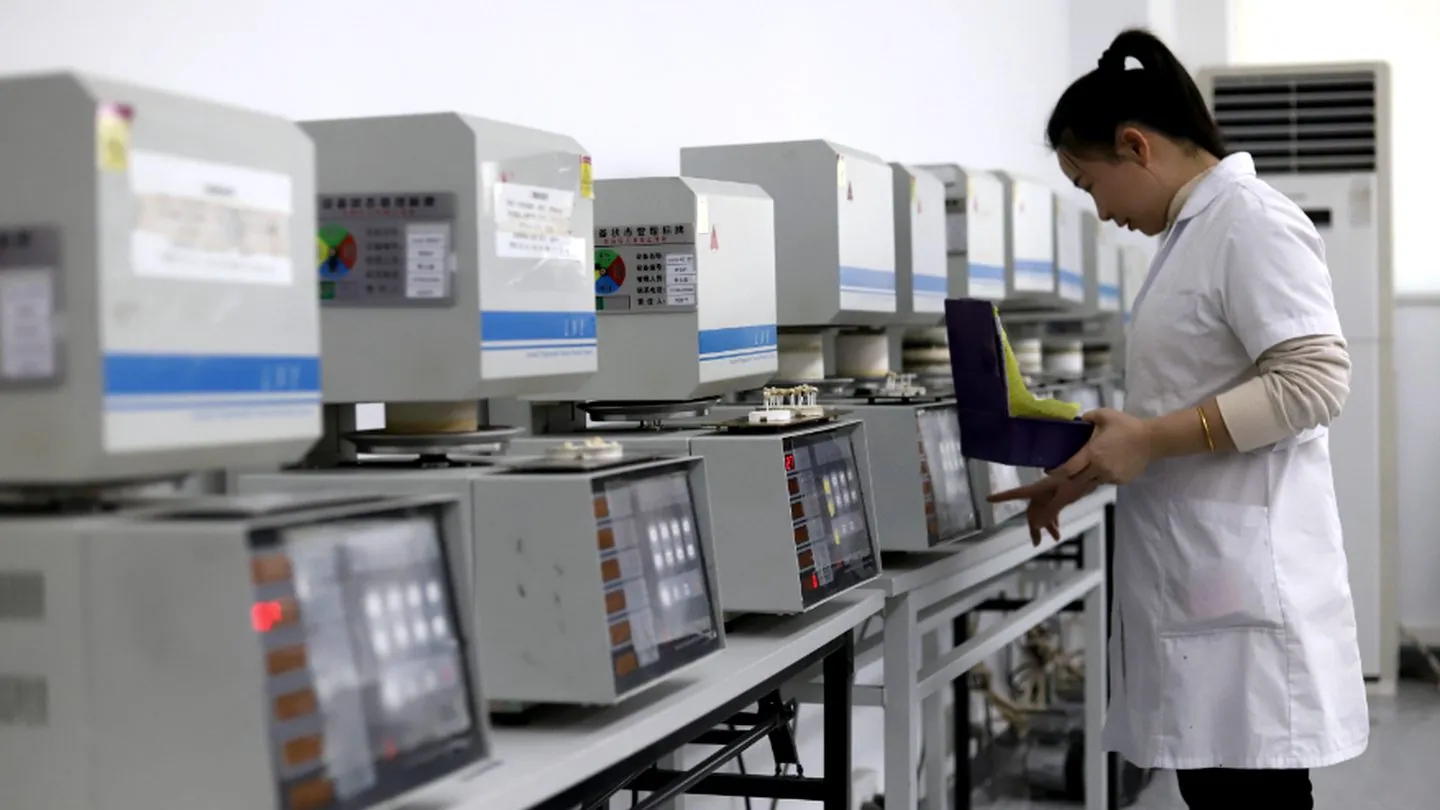
Material comparison
The 3Y / 4Y / 5Y labels describe the zirconia's crystal structure. This guide explains what changes between them and how to match the grade to the case.
Read guide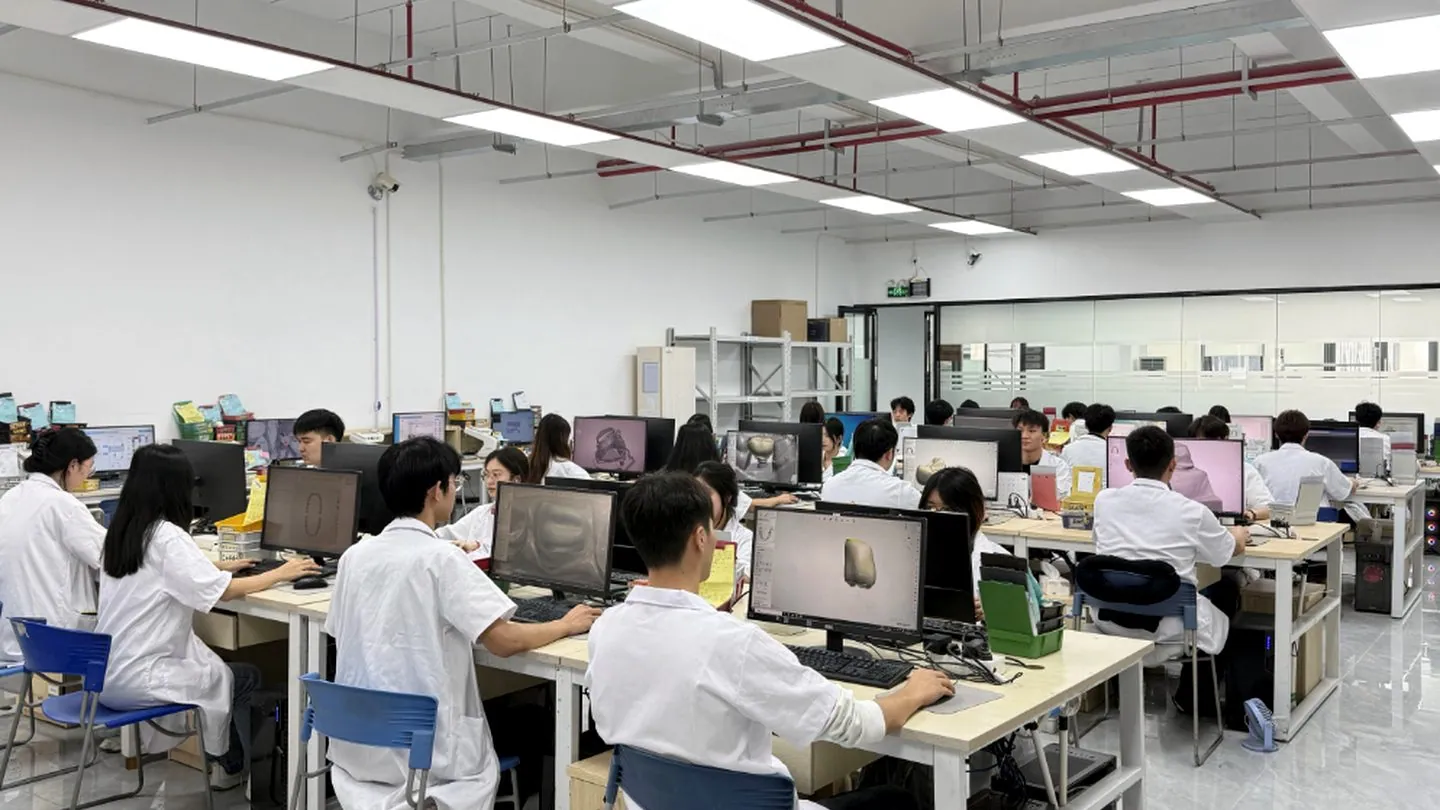
Digital workflow
CAD/CAM and conventional production differ in more than equipment. This guide compares design control, revisions, materials and the records each route needs.
Read guide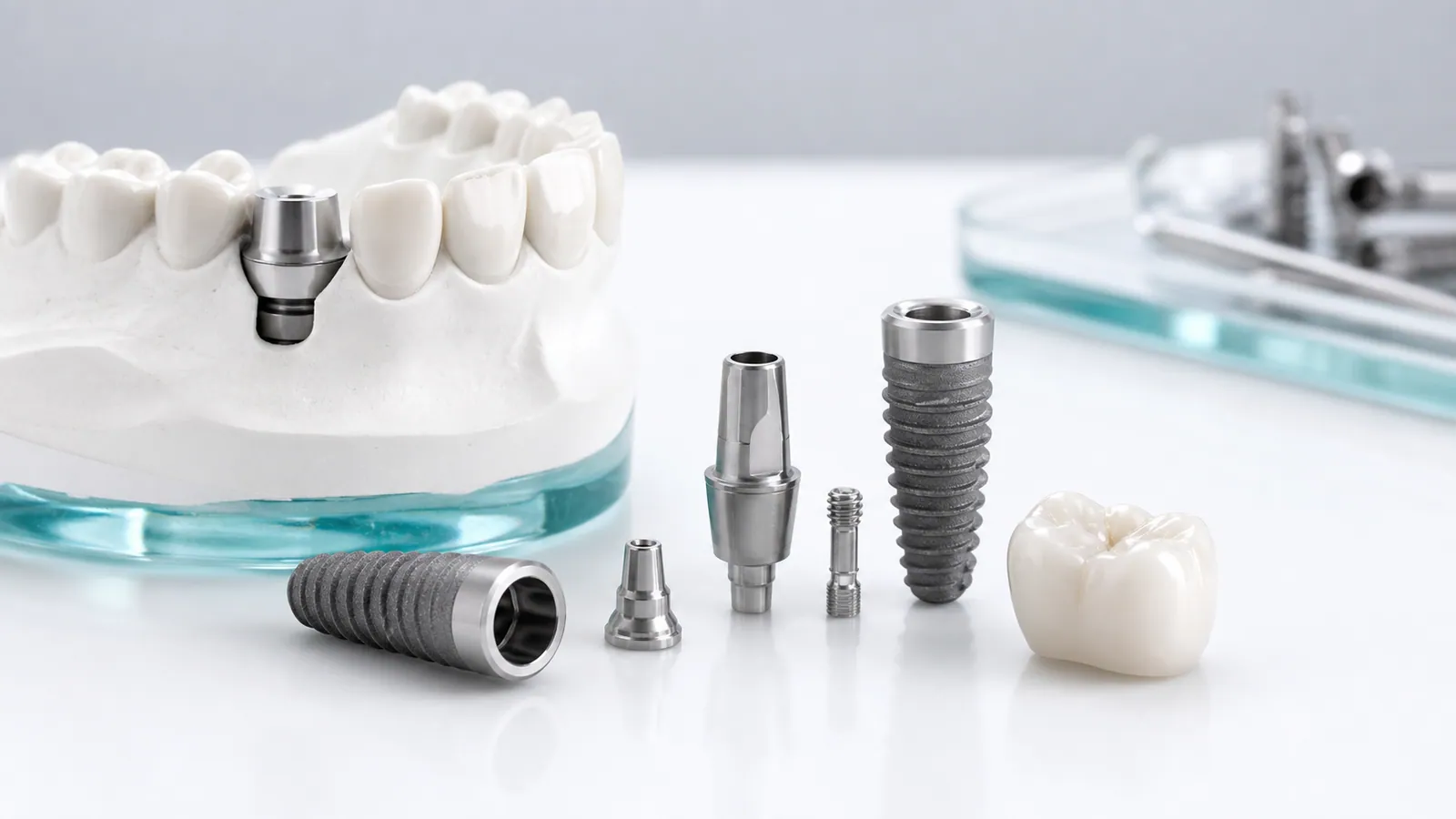
Implant workflow
Most implant restoration problems are visible at the design stage. This guide lists the recurring errors and the review steps that catch them before production.
Read guide Clinical preparation
Margin design drives fit more than most other variables. This guide compares shoulder, chamfer and knife-edge finish lines and what each means for the lab.
Read guide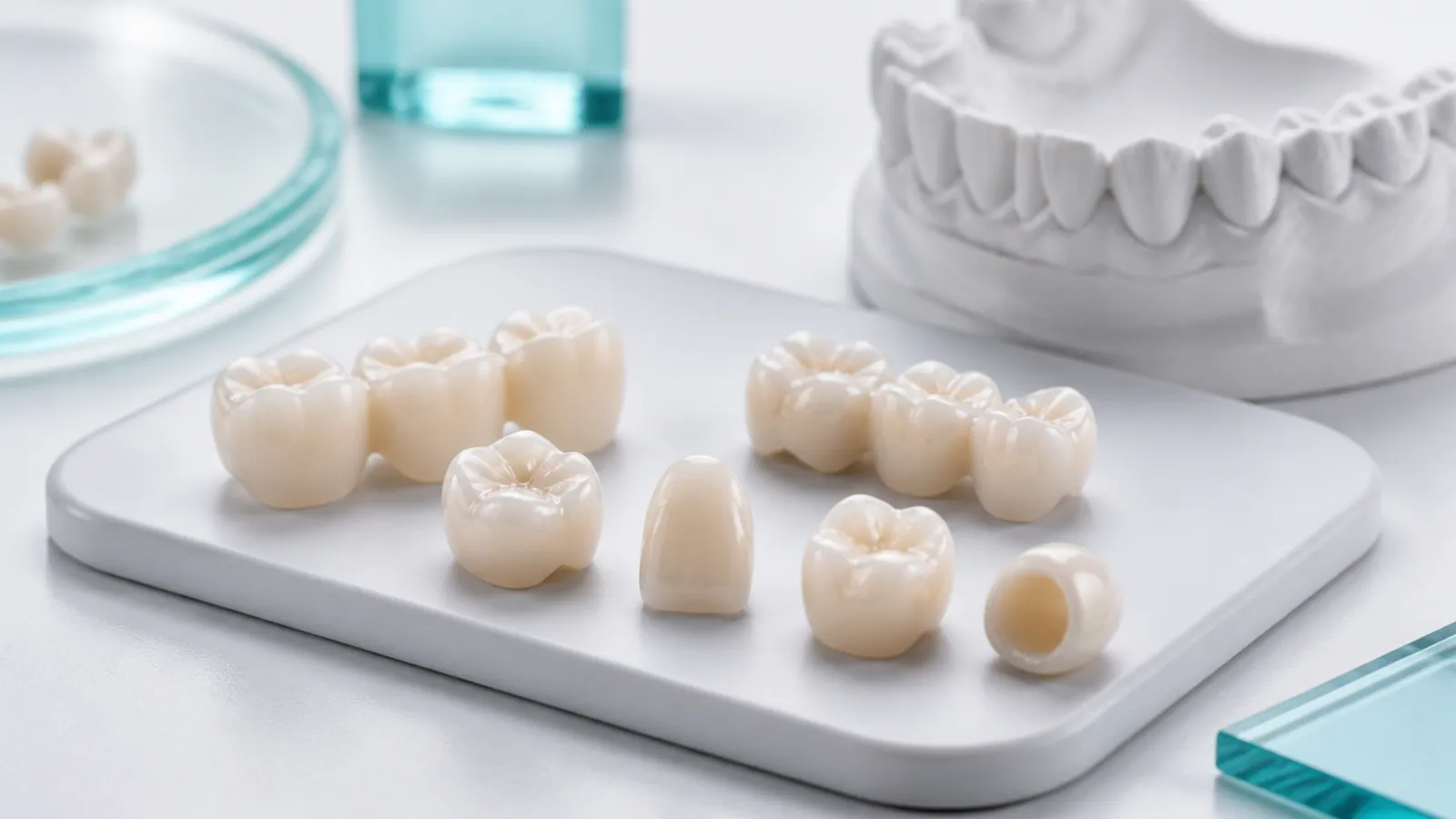
Clinical preparation
Cement choice depends on material, retention form and preparation geometry. This guide walks through the decision for zirconia, E.max and PFM crowns.
Read guide Digital workflow
File format problems cause avoidable delays. This guide explains what each dental CAD format carries, where exports go wrong, and what to confirm before sending.
Read guide Quality
Most remakes trace back to a small number of recurring causes. This guide lists the checkpoints that catch them before the case is shipped.
Read guide
Outsourcing decisions
Choosing between a local and an overseas laboratory is a trade-off across communication, logistics and revision handling. This guide sets out the decision factors.
Read guide Material comparison
Metal-free and PFM crowns differ in appearance, preparation and long-term behaviour. This comparison sets out the trade-offs case by case.
Read guide Material comparison
Monolithic and layered zirconia solve different problems. This guide explains the strength and esthetics trade-off and how to specify each type with the case data a lab needs.
Read guide
Production and quality
Shade problems usually start with the records, not the ceramic. This guide covers the photographs, tab references and instructions that make a match repeatable.
Read guide Product guidance
Veneer type decides prep, thickness and esthetic ceiling. This guide compares feldspathic, E.max and ultra-thin options and the case data each one needs.
Read guide Product guidance
Minimal-prep veneers widen the options but narrow the case list. This guide covers thickness limits, preparation and the situations where they are the wrong choice.
Read guide Dental lab basics
A dental laboratory turns prescriptions and records into finished restorations. This overview covers the service scope, the production steps and the data a case needs.
Read guide Clinical preparation
Zirconia needs enough reduction and a clean finish line. This guide covers the preparation targets and the records that let a lab confirm them before production.
Read guide Production and quality
Sintering and shading decide what a zirconia crown actually looks like in the mouth. This guide covers the steps and how to keep shade consistent across units.
Read guideProduct guidance
An All-on-X dental lab builds a full-arch prosthesis on multiple implants. This guide covers the verification stages, framework materials, prosthetic options and the data required for a full-arch case.
Read guideProduct guidance
A custom abutment dental lab designs a patient-specific abutment to control emergence profile, angulation and margin position. This guide covers when it is needed and the exact case data required.
Read guideOutsourcing decisions
A dental lab trial case answers more questions than any brochure. This guide explains how to choose the first restoration, how to send a digital dental case, and the checkpoints that tell you whether to scale.
Read guideLogistics
Dental lab turnaround and shipping are two separate numbers and should be quoted separately. This guide explains the production and transit stages, shipping options and how to plan cases around patient appointments.
Read guideDigital workflow
A digital denture lab in China can design, mill and finish complete dentures from a scan, with a digital record of every step. This guide explains the workflow, the try-in stages and the data the lab needs.
Read guideProduct guidance
E.max lithium disilicate is a first choice for esthetic single units. This guide covers when to specify it, the preparation and shade information a China dental lab needs, and how it compares with zirconia.
Read guideProduct guidance
Implant cases leave no room for guesswork. This guide sets out what to verify in an implant dental lab in China — system libraries, connection details, custom abutment design and the checkpoints that protect fit.
Read guideQuality and compliance
If a restoration ever needs to be explained, the material record is what you will reach for. This guide covers what material traceability means in a dental lab, what documentation to request, and how it protects your cases.
Read guideOutsourcing decisions
Outsourcing dental cases to China can extend your laboratory capacity without adding staff — if the workflow is set up properly. This guide covers scope, digital case submission, quality control, turnaround and how to start with a trial case.
Read guideProduct guidance
A removable denture lab in China produces complete dentures and partials in acrylic, flexible resin and cast metal. This guide covers the categories, the case data required and how a flexible partial denture lab verifies fit.
Read guideProduct guidance
Zirconia is one of the most requested restorations from a China dental lab. This guide explains the material choices, the case information the lab needs, and the checkpoints that decide whether the crown fits the first time.
Read guide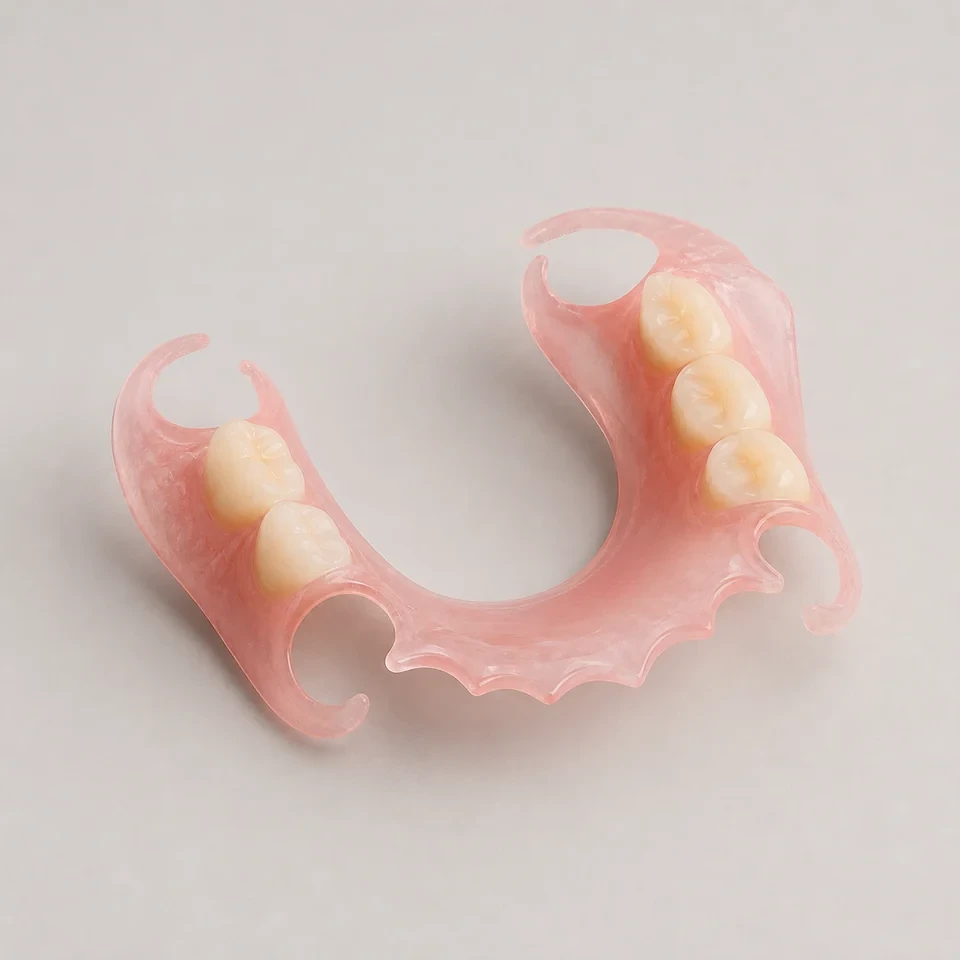
Materials
A practical comparison to help you choose between acrylic and flexible partial dentures.
Read guide Commercial
Prepare these details to receive a price list that is actually comparable.
Read guide Quality
A practical look at how a structured quality process moves a case from intake to shipping verification.
Read guide After-sales
The information that makes a remake review fast and fair.
Read guide Outsourcing decisions
Outsourcing to a Chinese dental laboratory can extend your capacity — if you can verify how the lab communicates, controls quality and handles your files. This checklist covers what to confirm before sending a case.
Read guide Digital workflow
Most delays in digital cases start with the file export, not the design. This checklist covers what to include when sending scan files to any laboratory.
Read guide Outsourcing
What to confirm with an outsourcing partner before you send your first case.
Read guide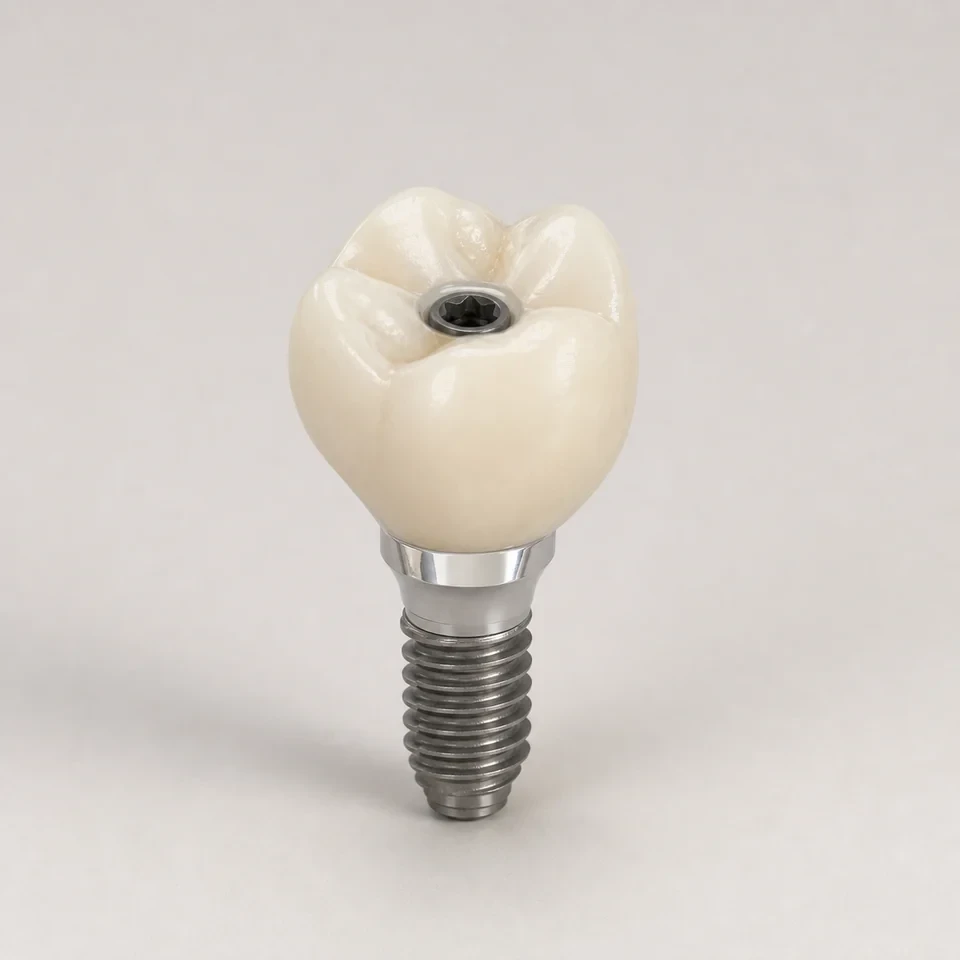
Implant workflow
Retention is a clinical decision with laboratory consequences. This guide lists what the lab needs to produce either option, and what is reviewed before production starts.
Read guide
Material comparison
Zirconia and lithium disilicate solve different problems. This comparison covers where each material is commonly considered, and what the laboratory needs from you to produce either one predictably.
Read guide