
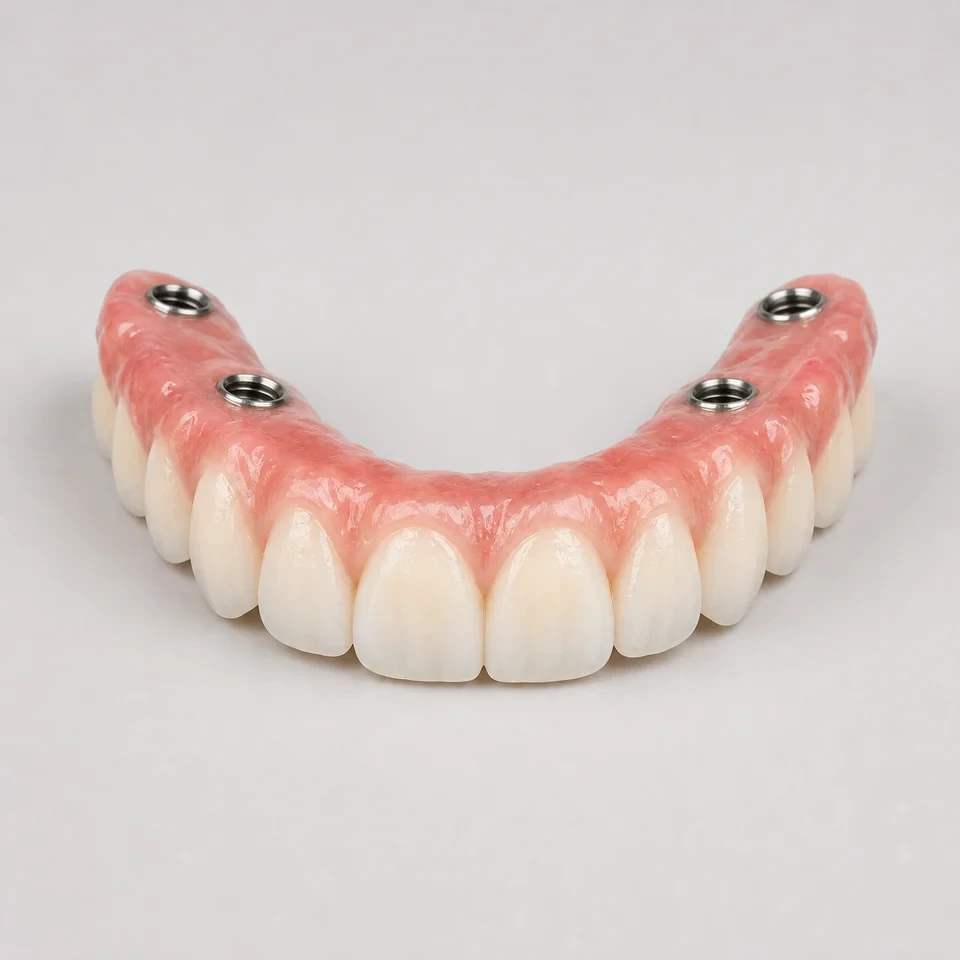
All-on-4 and All-on-X
Full-arch implant restorations coordinated with staged design review, using verified implant components and confirmed case records.
Details at a Glance
| Restoration type | Implant-supported full-arch restoration |
|---|---|
| Material options |
|
| Design options |
|
| Commonly considered for |
|
| Records to supply |
|
| Quality focus |
|
| Turnaround | Full-arch cases are scheduled by staging plan; timing is confirmed after implant details and design approval. |
What All-on-4 and All-on-X Are
An All-on-X dental lab supports full-arch implant prostheses that replace an entire arch of teeth on a reduced number of strategically placed implants, typically four or more depending on the plan. KC Dental Lab coordinates these cases as staged restorations: the prosthesis is designed from verified implant positions and multi-unit abutment data, then progressed through wax-up, framework, tooth setup and final stages rather than produced in a single step. The restoration may be a fixed screw-retained bridge on a milled titanium or zirconia framework, or a hybrid prosthesis with acrylic or composite teeth over a milled bar. Because the whole arch depends on a small number of connections, every component is confirmed in writing before design begins, and the All-on-X dental lab pathway keeps each stage separate for review.
Who It Suits
All-on-X restorations suit clinicians and laboratories managing fully edentulous or soon-to-be-edentulous arches where a fixed, implant-supported option is preferred over a removable denture. They are appropriate when enough bone exists for the planned implant count, when the patient accepts a fixed prosthesis, and when the clinician wants staged try-in and approval before the final bridge. The workflow also supports conversion cases that begin with a provisional and evolve into the definitive restoration. Common professional and workflow contexts include:
- Full-arch rehabilitation clinics placing four or more implants per arch.
- Specialist surgeons and restorative practices sharing one coordinated case file.
- Reference laboratories producing the framework and tooth setup from scans.
- DSO groups standardizing full-arch protocols across multiple locations.
Indications Commonly Considered
- Fully edentulous upper or lower arches planned for fixed restoration.
- Arch cases where a removable denture is no longer preferred.
- Multi-unit abutment level restorations on verified components.
- Zirconia or hybrid framework cases reviewed for material and cleansability.
- Conversion or provisional full-arch cases staged toward a final bridge.
- Sites where phonetic and esthetic preview is requested before finishing.
Material and Design Options
The framework is selected for strength, cleansability and the esthetic plan. Categories considered include:
- Milled zirconia framework for a monolithic or layered full-arch bridge.
- Milled titanium bar with acrylic or composite denture teeth.
- Screw-retained full-arch design at multi-unit or implant level.
- Provisional conversion design using PMMA or printed try-in material.
What the Case Needs
The following inputs let the arch be planned and staged accurately:
- Implant positions, system and platform details for each site.
- Multi-unit abutment or scan body information per implant.
- Complete arch scan with verified scan body positions.
- Bite registration, vertical dimension and opposing arch.
- Esthetic and phonetic requirements, photos and shade references.
- Approved treatment plan and the requested design stages.
Digital Workflow Requirements
A staged digital file set supports review at each approval point. Expected inputs are:
- Full-arch STL, PLY or OBJ with scan bodies seated and verified.
- Confirmed scan body positions matching the stated implant system.
- Bite registration and opposing arch for occlusal design.
- Tooth setup and smile-line references for the esthetic stage.
- Staged file set so wax-up, framework and final can be reviewed.
Compatibility to Confirm
These points are confirmed in writing before the bridge is designed:
- The implant system and platform at every position in the arch.
- Multi-unit abutment type and connection for each site.
- Whether the restoration is multi-unit level or implant level.
- The screw access and passive-fit expectations for the bridge.
Quality Checkpoints
- Scan body position and framework fit reviewed against the scan.
- Passive-fit verification steps recorded for the full arch.
- Occlusal scheme, clearance and vertical dimension confirmed.
- Esthetic and phonetic review of tooth setup and smile line.
- Hygiene access, screw channels and surface finish checked.
- Staged approval history and packaging reviewed before shipment.
Turnaround Variables
Full-arch cases are scheduled around a staging plan rather than a single production run, so the timeline is shaped by record completeness, the number of approved design stages, material choice and case complexity. A case that arrives with verified implant data, a defined treatment plan and agreed try-in stages progresses more predictably, while cases needing revised wax-up, framework correction or additional photos extend the schedule. Shipping destination and dispatch method are also considered, and the realistic window is confirmed after implant details and design approval are in place.
Common Questions
Why are full-arch cases staged?
Staging lets the implant position, bite, esthetics and function be checked at wax-up, try-in and framework stages before the final restoration is finished.
What records are required to begin?
Implant and multi-unit details, complete scans, verified bite, vertical dimension, photos, shade, treatment plan and the requested stages are normally required.
Can the timeline be fixed before records are reviewed?
No, the timeline depends on record completeness, design approvals, try-in stages, material choice, complexity and shipping, and is confirmed per case.
Which framework material is used?
The choice depends on the plan, cleansability, esthetics and the clinician’s preference, with zirconia or titanium hybrid options reviewed for the site.
Next Step
Start with a full-arch record review so the implant components, approval stages, material pathway and case-specific timing can be confirmed. You can send a case with the arch records, review our implant restorations program, or read the All-on-X dental lab overview before beginning a trial case.
Related products
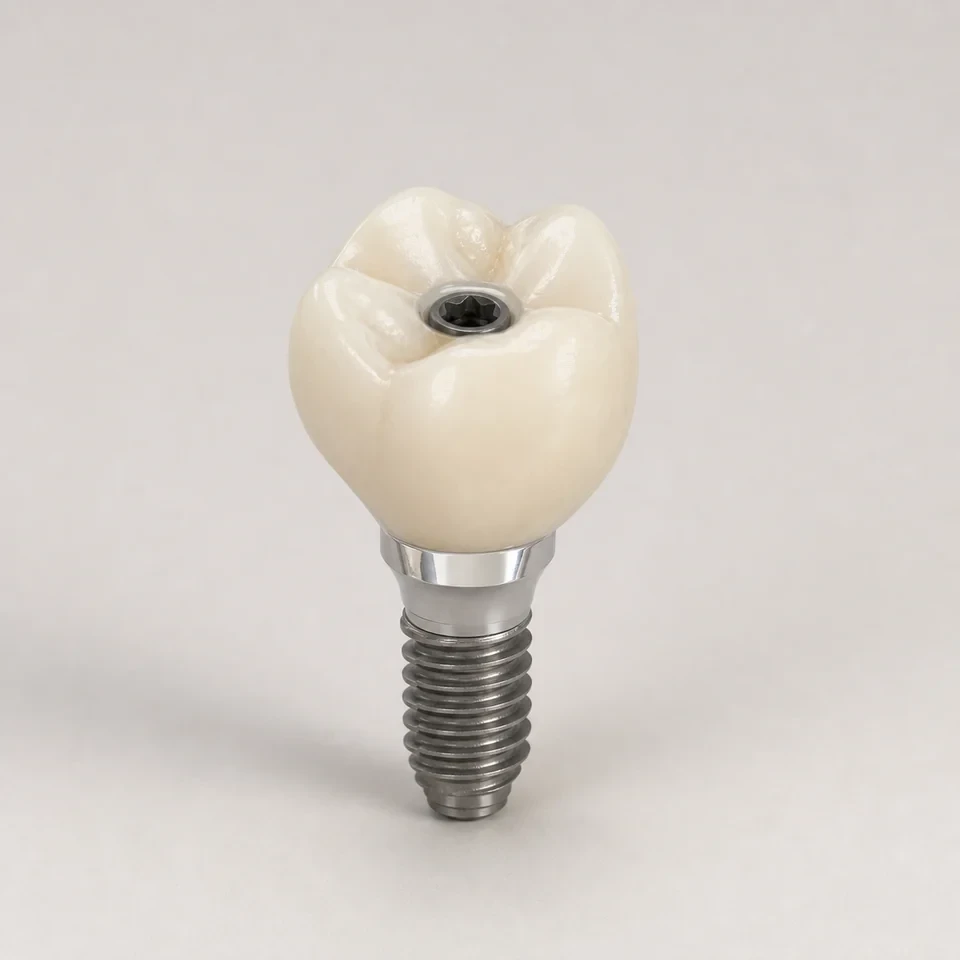
Implant Crowns
Implant-supported crowns designed from scan body data with system and connection verification, retention options reviewed case by case.
View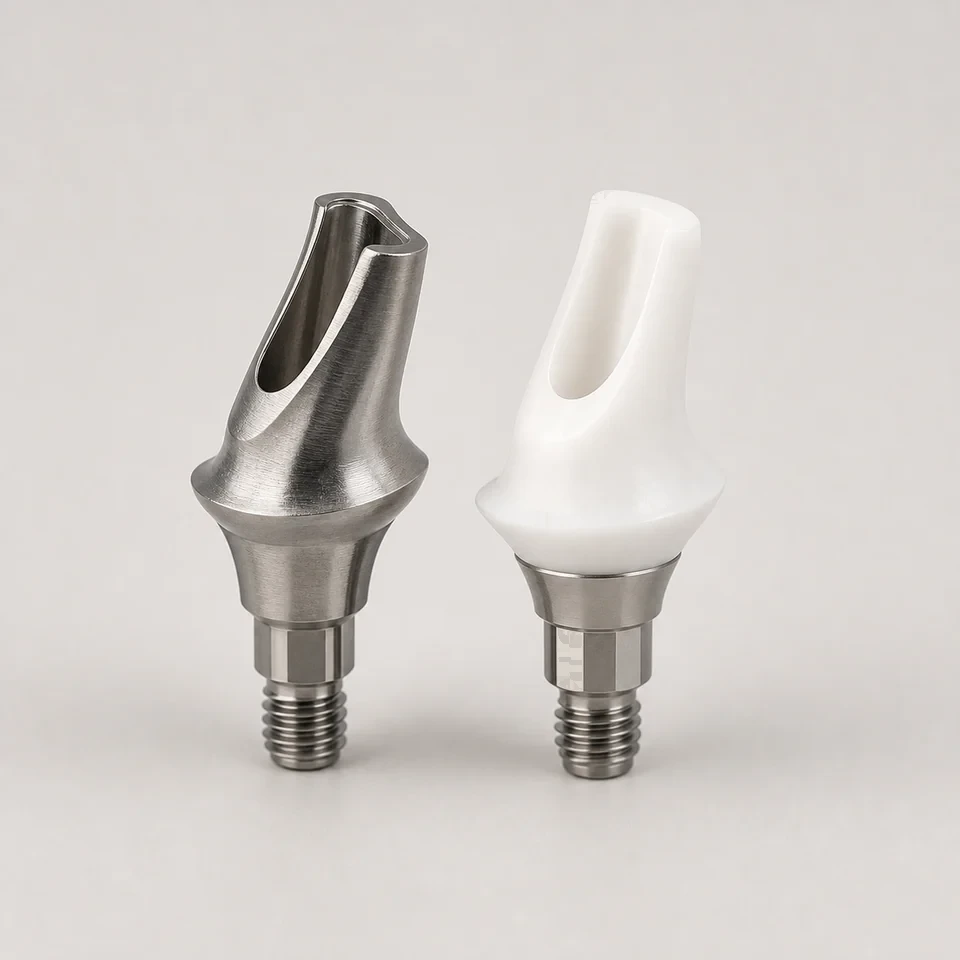
Custom Abutments
Custom abutments designed from scan body data for the confirmed implant system, with emergence profile shaping and retention review.
View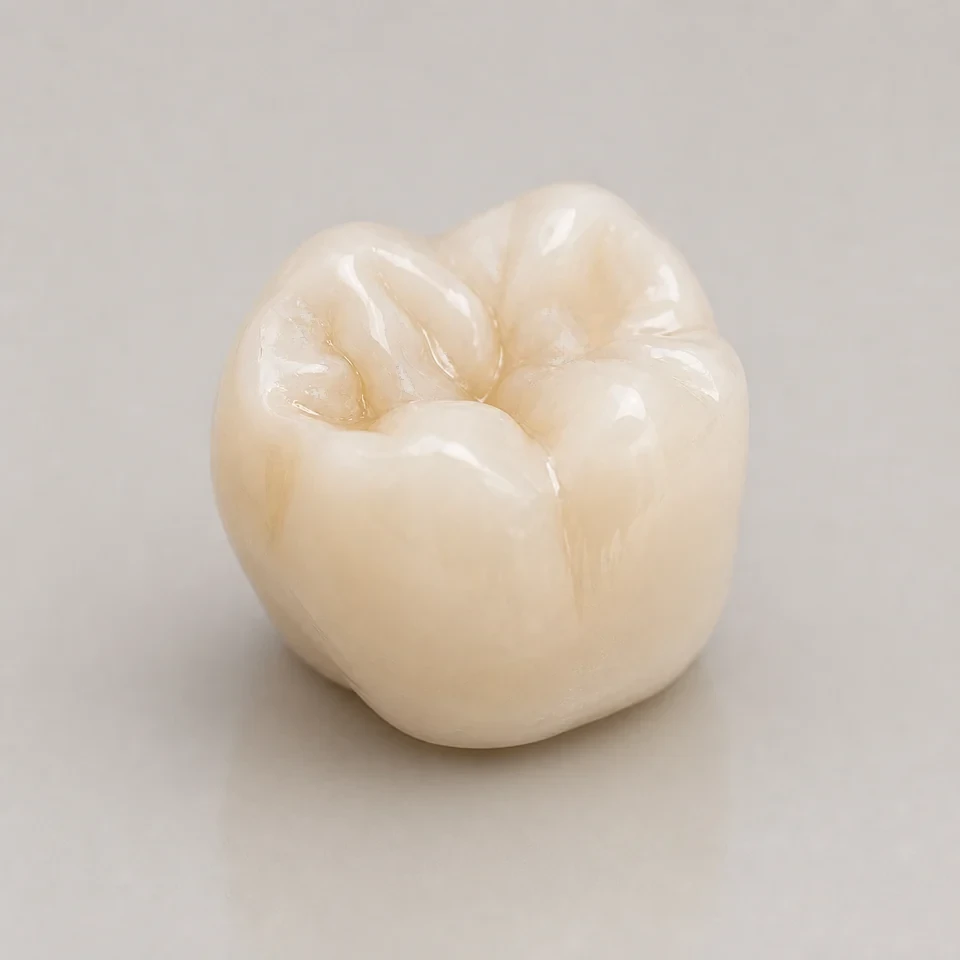
Zirconia Crowns
Full-contour and layered zirconia crowns and bridges milled from approved digital designs, with case-by-case review of margins, contacts, occlusion and material requirements.
View