
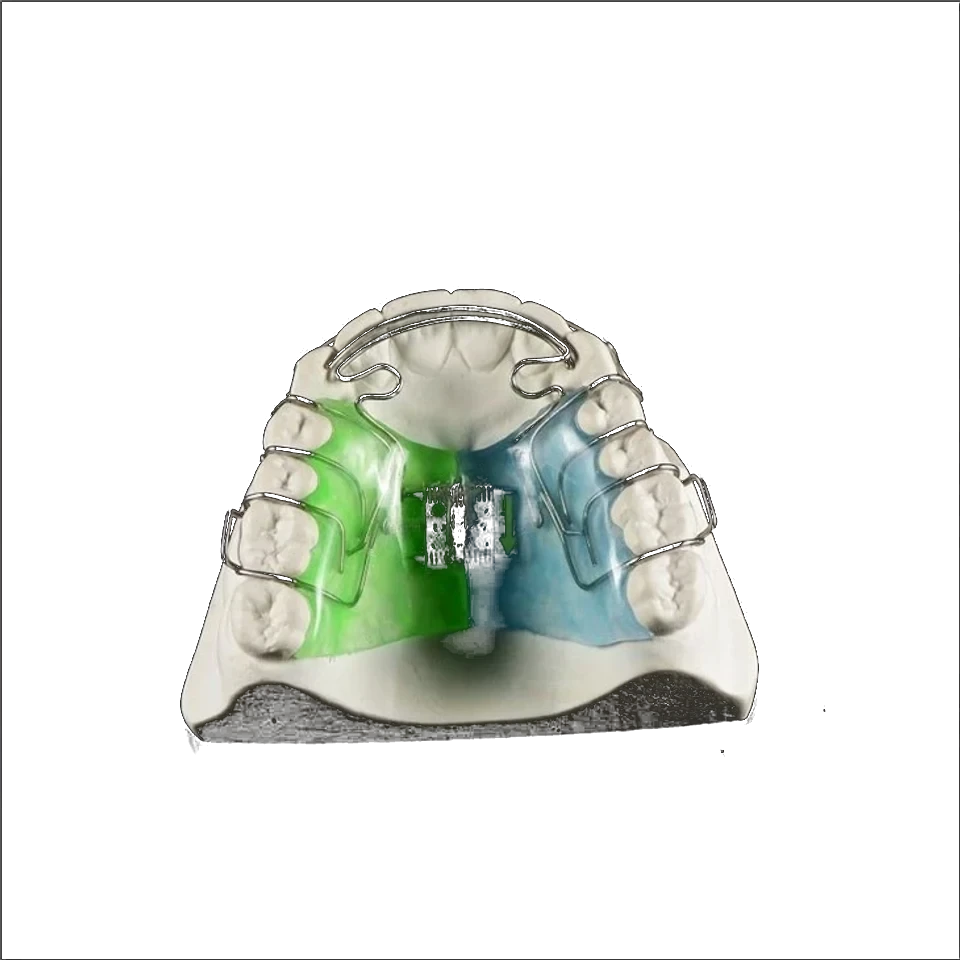
Orthodontic Expanders
Removable and fixed expander appliances produced to the written design, with screw, band and acrylic placement verified before dispatch.
Details at a Glance
| Restoration type | Appliance — orthodontic expander |
|---|---|
| Material options |
|
| Design options |
|
| Commonly considered for |
|
| Records to supply |
|
| Quality focus |
|
| Turnaround | Expander cases are scheduled by prescription completeness and component availability. |
What Orthodontic Expanders Are
An orthodontic expander dental lab produces appliances that widen the dental arch by applying controlled force through a screw mechanism, made to the written instructions supplied by the treating clinician. Expanders are built as removable or fixed appliances depending on the prescription, with an acrylic base and a screw that the clinician activates over the treatment period. KC Dental Lab supports these workflows by reviewing the prescription and the arch records, then producing the appliance with screw, band and acrylic placement checked against the written design. Production follows the clinician’s specification rather than independent clinical judgement, so suitability is determined by the prescriber.
The appliance depends on precise component placement, because the screw must sit where the clinician intends and the acrylic must support it without interfering with activation. Each expander is checked for seating, screw placement and finish before dispatch, and where the prescription is unclear the case is returned for clarification instead of being guessed. A satisfactory existing appliance can also be supplied as a reference when a replacement is requested, which shortens the review stage for repeat cases.
Who It Suits
This service suits orthodontists, clinics, laboratories, distributors and dental groups that need expansion appliances made to a written prescription without transferring clinical decisions. It is appropriate where the requesting party controls the design and the laboratory delivers to specification. The model also helps laboratories manage uneven demand by placing wire, screw and acrylic work externally while keeping the prescription in their own control. By sending a complete written specification and the matching records, the requesting party receives an appliance built exactly to its design, with fabrication and finishing handled to a consistent standard, and the same specification can be reused for repeat appliances across a patient group.
- Orthodontic practices sending written expander prescriptions
- Clinics needing removable or fixed expanders produced
- Laboratories outsourcing screw and acrylic fabrication
- Dental groups standardising an expander spec across locations
Indications Commonly Considered
Expanders are usually considered where arch widening is prescribed and a screw appliance suits the case. Typical requests include the following.
- Palatal and arch expansion cases
- Removable expansion appliances per the prescription
- Fixed expander requests as specified by the clinician
- Replacement appliances reproduced from existing records
- Expansion cases with a complete written specification
- Repair discussion for a supplied appliance
Material and Design Options
An expander is built around a screw mechanism, so the design options begin with the screw type and the activation the clinician specifies. From there, the acrylic base and, for fixed designs, the bands and wire components support the screw where it is intended. The options below describe the choices that can be specified before production, and any color or component preference is confirmed during the review rather than assumed.
- Acrylic base configured per the prescription
- Expansion screw type and activation as specified
- Bands and wire components for fixed designs
- Acrylic color and design selection where permitted
- Replacement from an existing appliance when supplied
What the Case Needs
A complete submission shortens the review stage and reduces the risk of a remake. The following details help the laboratory reproduce the design accurately.
- Written prescription from the treating clinician
- Arch impressions or scans of the treated jaw
- Screw and band specification
- Design and color preference
- A reference appliance for a replacement or repair
- Any special finishing or packaging notes
Digital Workflow Requirements
- STL, PLY or OBJ files when digital records are used
- A clear prescription drawing or notes for the design
- Expansion and band instruction detailed
- Arch and opposing records where relevant
- Any CAD or design file the clinician wishes to supply
Compatibility to Confirm
- Whether a removable or fixed design is prescribed
- Screw type and component availability for the design
- Whether physical models or digital files are supplied
- Prescription completeness before case acceptance
Quality Checkpoints
Every expander passes a defined set of checkpoints before dispatch, because the appliance depends on fit and component placement as much as on finish. The reviews below confirm that the appliance seats fully, that the screw and any bands follow the written prescription, and that the appliance is clean before packaging, and any point that cannot be confirmed is raised with the requesting party rather than assumed.
- Fit and full seating on the master model
- Screw placement and free movement confirmed
- Band and acrylic placement per the prescription
- Acrylic finish and comfort at the edges
- Prescription adherence throughout production
- Cleanliness and packaging before dispatch
Turnaround Variables
Expander scheduling depends on prescription completeness and component availability rather than a fixed interval. A fixed design with bands and a screw follows different internal steps than a removable appliance, and cases with unclear or incomplete specifications may need clarification before production, which can extend the schedule. A replacement from a clear reference moves faster than a new build, because the design is already defined.
Component availability also affects timing, since the screw and bands specified on the prescription are sourced before assembly. KC Dental Lab schedules each appliance after the prescription is complete and the components are confirmed, and discusses the expected sequence with the requesting party before the work begins.
Common Questions
Who determines if an expander is suitable?
The treating clinician determines clinical suitability and the design, while the laboratory produces the appliance to the written prescription. Where the prescription is unclear, the case is returned for clarification.
Can an existing expander be copied?
A satisfactory existing appliance can be supplied as a reference for a replacement or reproduction. Supplying the reference reduces the review stage for repeat cases.
Are digital scans accepted?
Digital scans in STL, PLY or OBJ are accepted when accompanied by a clear prescription and design notes. Scanner compatibility is confirmed before the first case.
Does the screw type matter?
The screw type and activation are specified on the prescription, and the laboratory sources the component to match. Any change to the specified screw should be confirmed before production.
Next Step
Send your expander prescription with arch records and the screw and band specification so the design can be reviewed before production. You can review the orthodontic appliance service or the Hawley retainer option for related appliances, read the trial case guide for first-order context, or send a case to start a review.
Related products
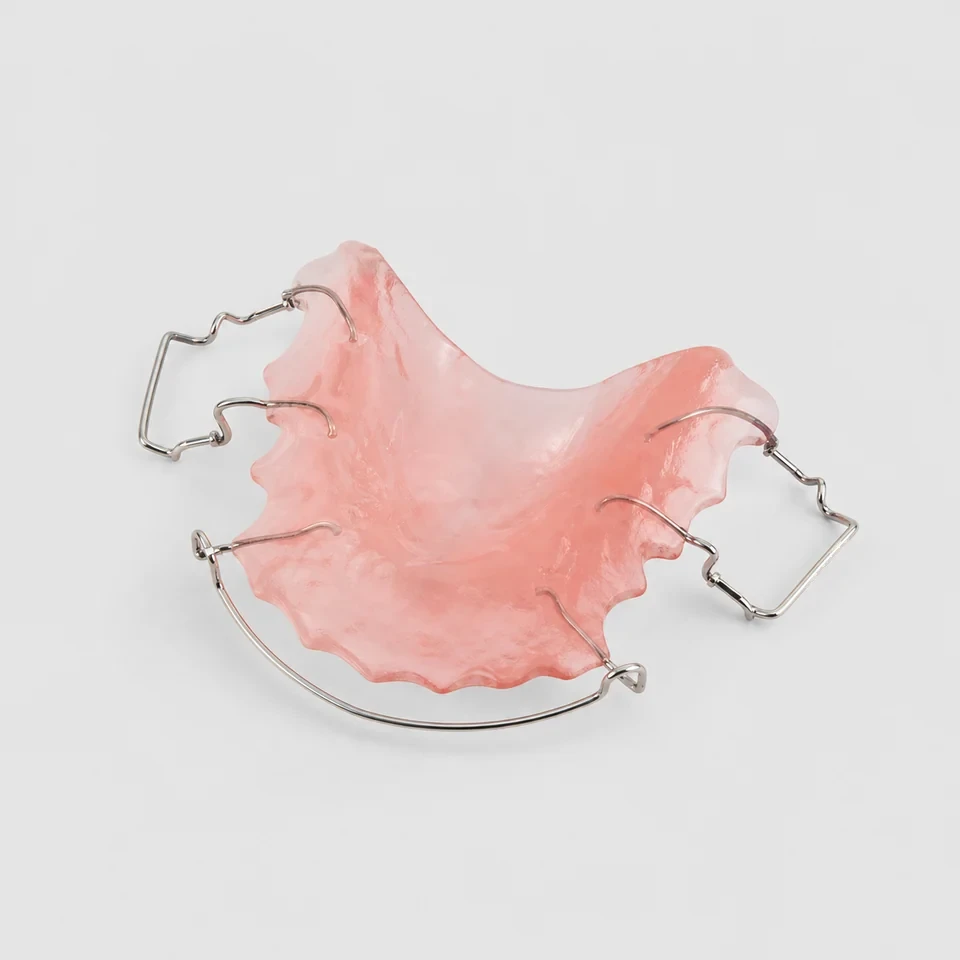
Orthodontic Appliances
Retainers, space maintainers and selected prescription-based appliances produced to written instructions from the treating clinician.
View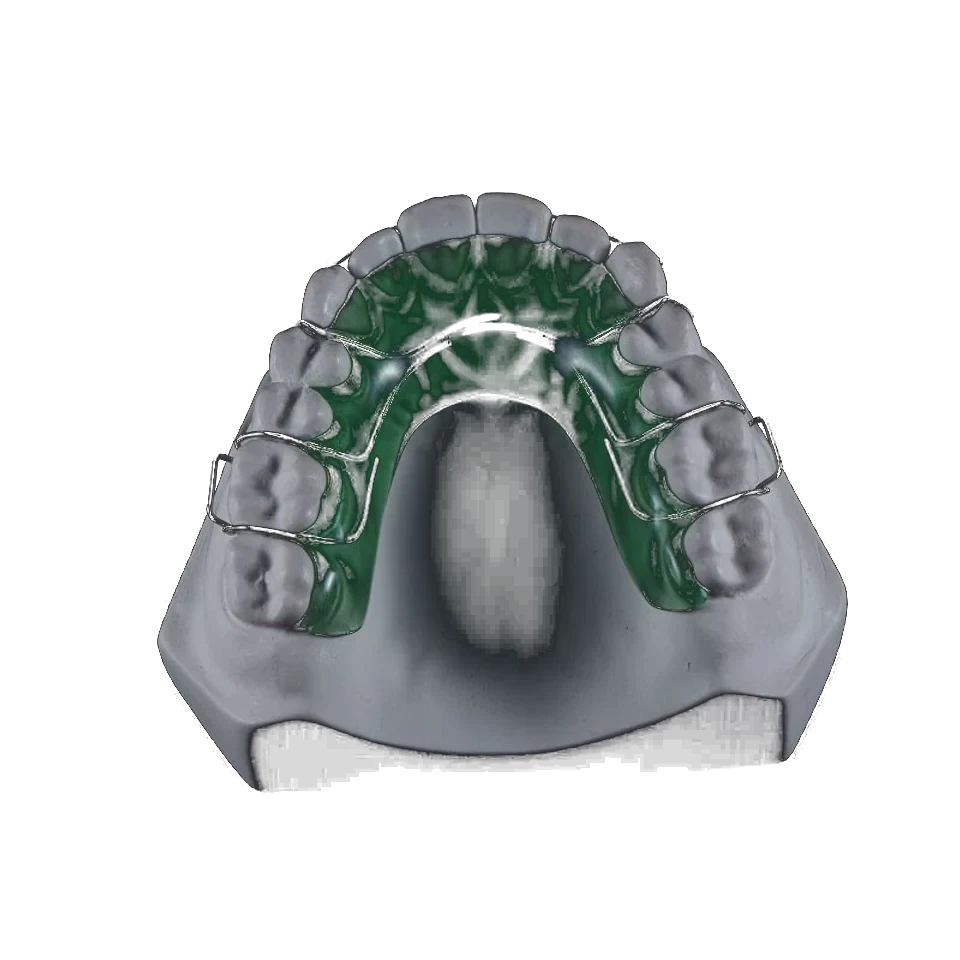
Hawley Retainers
Removable Hawley retainers with a wire and acrylic design produced to the written prescription, with component placement checked before finishing.
View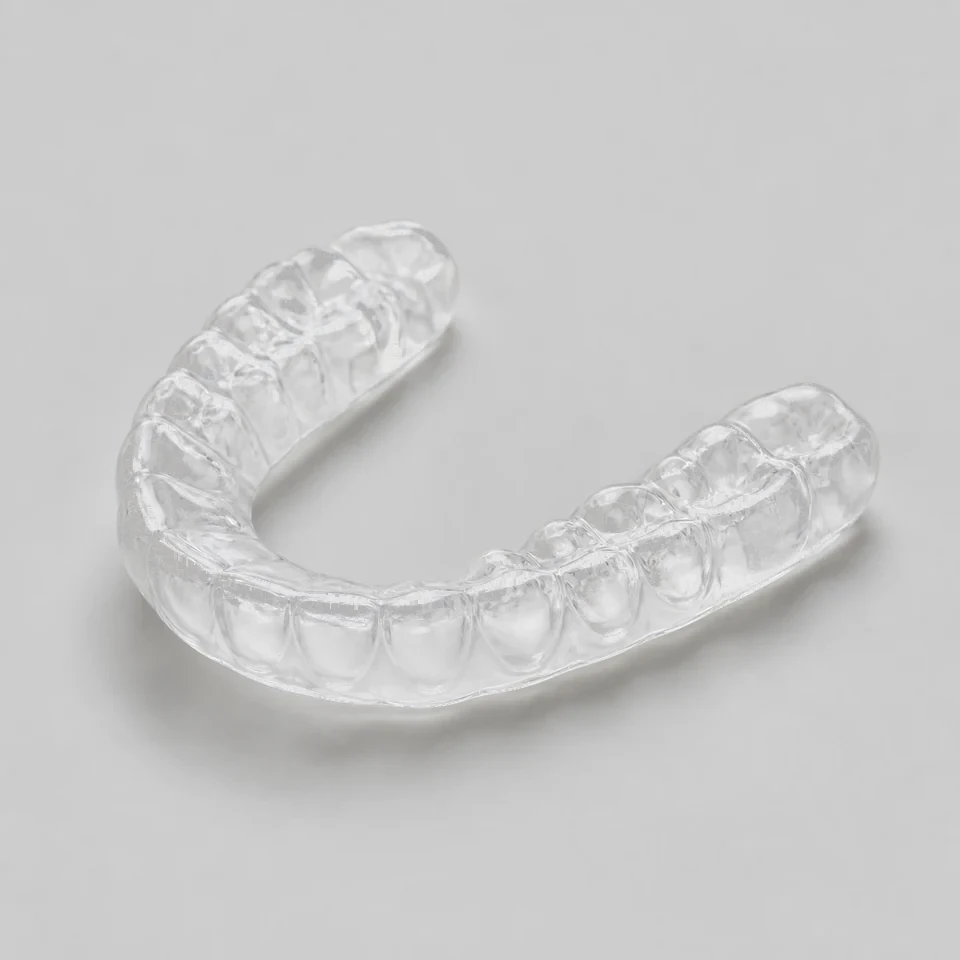
Night Guards
Occlusal guards produced from digital or traditional records, with material, thickness and occlusion confirmed before production.
View