
Digital workflow
Digital Smile Design: A Workflow for Clinics and Labs
Digital smile design turns aesthetic goals into a preview the patient approves before any tooth is prepared. This workflow covers inputs, design, mock-up and lab hand-off.
Published October 29, 2026
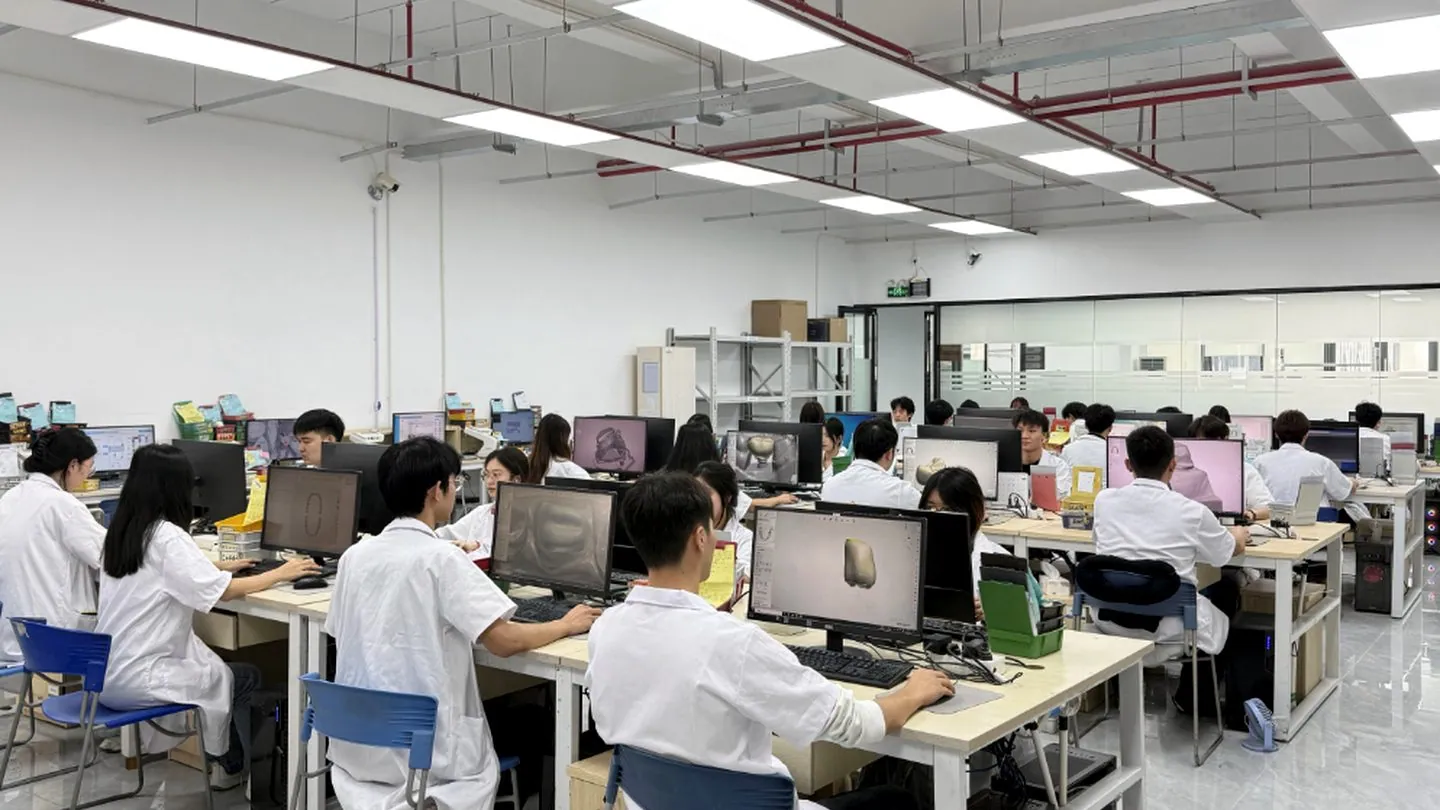
Digital smile design (DSD) is a planning method that places the proposed teeth within the patient’s facial and lip framework before treatment, so the result can be previewed and approved reversibly. It reduces the gap between what the patient imagines and what the lab delivers.
1. Inputs the lab and clinician share
- Standardised photographs (frontal, lateral, smile, retracted)
- Intraoral scan or impressions of the arches
- Facebow or reference to the patient’s facial midline and incisal plane
- Shade and characterisation notes
- Any existing photographs the patient likes as a reference
2. Designing within the face
The design starts from facial reference lines — midline, pupils, lip line — rather than from the teeth alone. The wax-up or digital shell sets tooth proportion, incisal edge position and the relationship of the teeth to the lips and gums. This step is where aesthetic decisions are made visually, not guessed.
3. Mock-up
The approved design is trialled in the mouth, often as a printed shell filled with provisional material, or as directly placed provisional restorations. The patient sees and speaks with the preview, and adjustments are made while nothing permanent has changed.
4. From mock-up to final restorations
Once the preview is approved:
- Preparation guides from the mock-up keep reduction within the design
- Provisionals confirm function and aesthetics day to day
- The lab fabricates the final veneers, crowns or bridges to the approved shape
The final restorations should match the approved preview in form and proportion.
5. Communicating with the lab
Share the design file (STL or images), the approved mock-up photos and the prep guide. Agree on material — see porcelain veneers, e.max veneers and feldspathic veneers. Confirm the lab received the scan body or impression reference if implants are involved.
6. Limitations to set expectations
- Soft-tissue changes (gum contour) may need surgery or orthodontics first
- A preview shows form and proportion, not final surface texture or exact shade
- Patient habits affect longevity; the design does not change biology
Next step
Send a case with photographs and a scan, or request a price list and discuss a design-led workflow with the lab.