
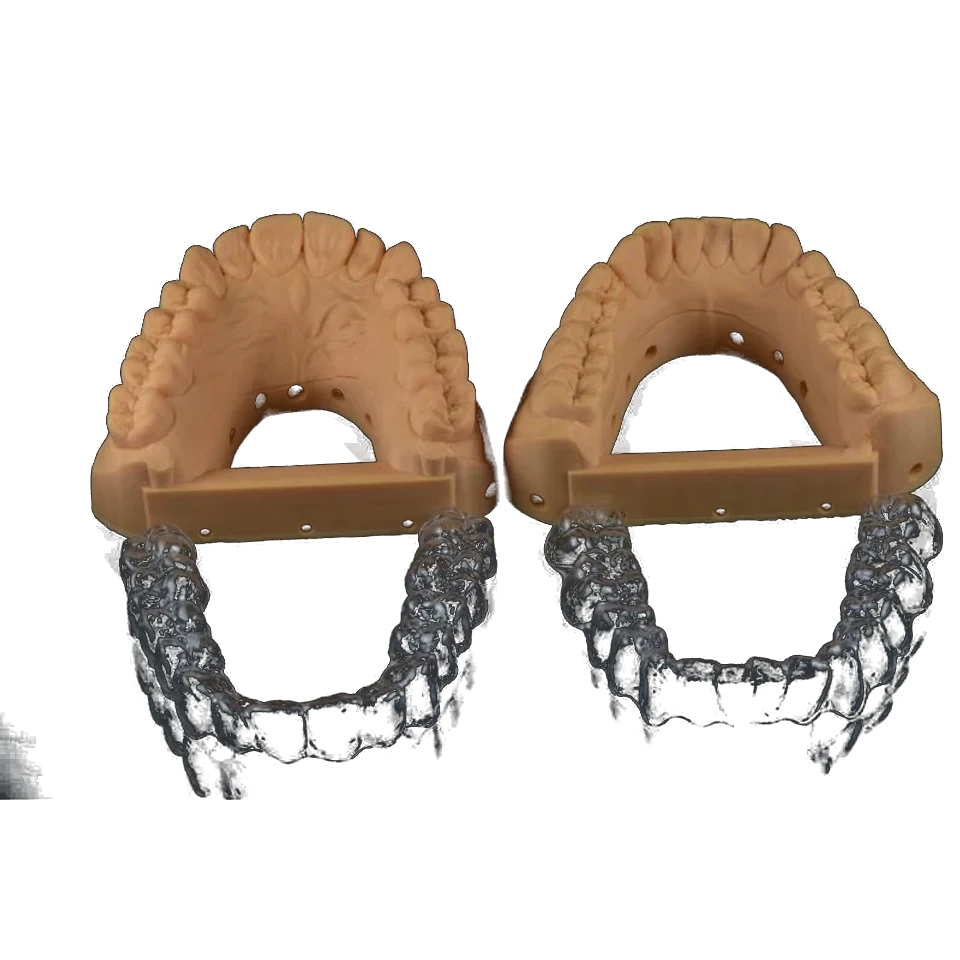
Clear Aligner Retainers
Clear thermoplastic retainers produced from digital models, with coverage, trim line and material thickness confirmed before production.
Details at a Glance
| Restoration type | Appliance — clear thermoplastic retainer |
|---|---|
| Material options |
|
| Design options |
|
| Commonly considered for |
|
| Records to supply |
|
| Quality focus |
|
| Turnaround | Clear retainer cases are scheduled by record quality, coverage and the thickness requested. |
What Clear Aligner Retainers Are
A clear aligner retainer dental lab produces a transparent thermoplastic retainer from a digital model of the arch, formed to cover the teeth and hold them in their finished position. The retainer is built from the scan or model supplied, and KC Dental Lab supports these cases by confirming the coverage, the trim line and the material thickness before production. Because the retainer follows the arch record, the review stage confirms that the record is complete and reflects the post-treatment position.
A clear retainer differs from a wire retainer in both appearance and handling. The thermoplastic sheet is formed over a printed or milled model, so the coverage and the trim line set how the retainer fits and how discreet it looks. That is why the records and the prescription matter: the laboratory produces the retainer to the coverage and thickness specified, and any missing detail is raised before the model is formed.
Who It Suits
This service suits clinicians and laboratories that need retention after orthodontic treatment and prefer a clear option, and where the post-treatment records can be supplied. It fits orthodontic practices and laboratories that want a clear retainer produced to a confirmed design.
- Clinics planning retention after orthodontic treatment
- Laboratories producing clear retainers from digital models
- Practices needing a replacement of an existing clear retainer
- Dental groups standardizing a retention protocol across locations
Indications Commonly Considered
Clear retainers are usually considered where retention is prescribed and a clear appliance is preferred. Typical requests include the following.
- Retention after orthodontic treatment
- Cases where a clear retainer is preferred to a wire one
- Replacement of an existing clear retainer
- Retention built from an existing model or scan
- Situations where a specific material thickness is required
- Cases needing full or partial coverage as prescribed
Material and Design Options
The material and the coverage are the main decisions, because they define the fit and the appearance. The thickness and hardness of the thermoplastic sheet can be specified, and the coverage can be full or partial. Where a case calls for a particular trim line or thickness, it is confirmed on the prescription.
- Clear thermoplastic sheet in the thickness prescribed
- Full or partial coverage per the case
- Printed or milled model from the supplied records
- Trim line and finish selected per the request
- Replacement built from an existing retainer when supplied
What the Case Needs
A complete submission shortens the review stage and reduces the chance of a remake. The following records help the laboratory plan the retainer.
- A scan or model of the arch after treatment
- A prescription stating the coverage and retention type
- The material thickness preference
- Any existing retainer the case must follow
- Notes on the trim line and finish required
- Case labelling details for dispatch
Digital Workflow Requirements
- STL, PLY or OBJ scan of the arch with adequate detail
- Notes on coverage and the planned trim line
- Material thickness instruction
- Any existing retainer scan where a replacement is requested
- Arch records that reflect the post-treatment position
Compatibility to Confirm
- Whether the record reflects the finished treatment position
- The coverage and trim line the case requires
- The material thickness and hardness prescribed
- Whether the case is a new retainer or a replacement from an existing one
Quality Checkpoints
Every clear retainer passes a defined set of checkpoints before dispatch, because the fit depends on the model and the coverage. The reviews below confirm that the retainer seats, the coverage and trim line match the prescription and the finish is clean, and any point that cannot be confirmed is raised with the requesting clinician rather than assumed.
- Fit and full seating checked on the model
- Coverage and trim line checked against the prescription
- Material thickness and finish verified
- Surface finish and comfort reviewed
- Case labelling checked before dispatch
- Prescription adherence verified before packaging
Turnaround Variables
Clear retainer scheduling depends on record quality, coverage and the thickness requested rather than a fixed interval. Because the retainer is formed over a model produced from the records, the clarity of the scan or model and the coverage required both affect bench time. Any clarification of the prescription adds review time, and the schedule is confirmed once the records and specification are complete.
Where a case requires multiple retainers or partial coverage across several areas, the extra handling time is reflected in the confirmed timing. A straightforward upper and lower retainer usually moves through fewer stages than a set of replacement retainers, and KC Dental Lab discusses the expected sequence with the requesting clinician before production begins.
Common Questions
How is a clear retainer different from a Hawley retainer?
A clear retainer uses a formed thermoplastic sheet that covers the teeth discreetly, while a Hawley retainer uses an acrylic base with a wire in front of the teeth. The choice depends on the retention plan and the esthetic preference.
How often should a clear retainer be replaced?
Replacement timing depends on wear and is managed by the clinician. Where a replacement is needed, the case can be produced again from the retained records or from an existing retainer.
Can a partial retainer be made?
Yes, where the prescription calls for partial coverage, the trim line is set to cover only the area required, and the coverage is confirmed before the model is formed.
What records should be supplied?
A scan or model that reflects the post-treatment position, a prescription stating the coverage and type, and the material thickness preference are the essentials.
Next Step
Send your clear aligner retainer case with the post-treatment scan or model, the prescription and the coverage details so the design can be confirmed before production. You can compare the Hawley retainer or the orthodontic appliances service, read what a dental laboratory does for context, or send a case to start a review.
Related products
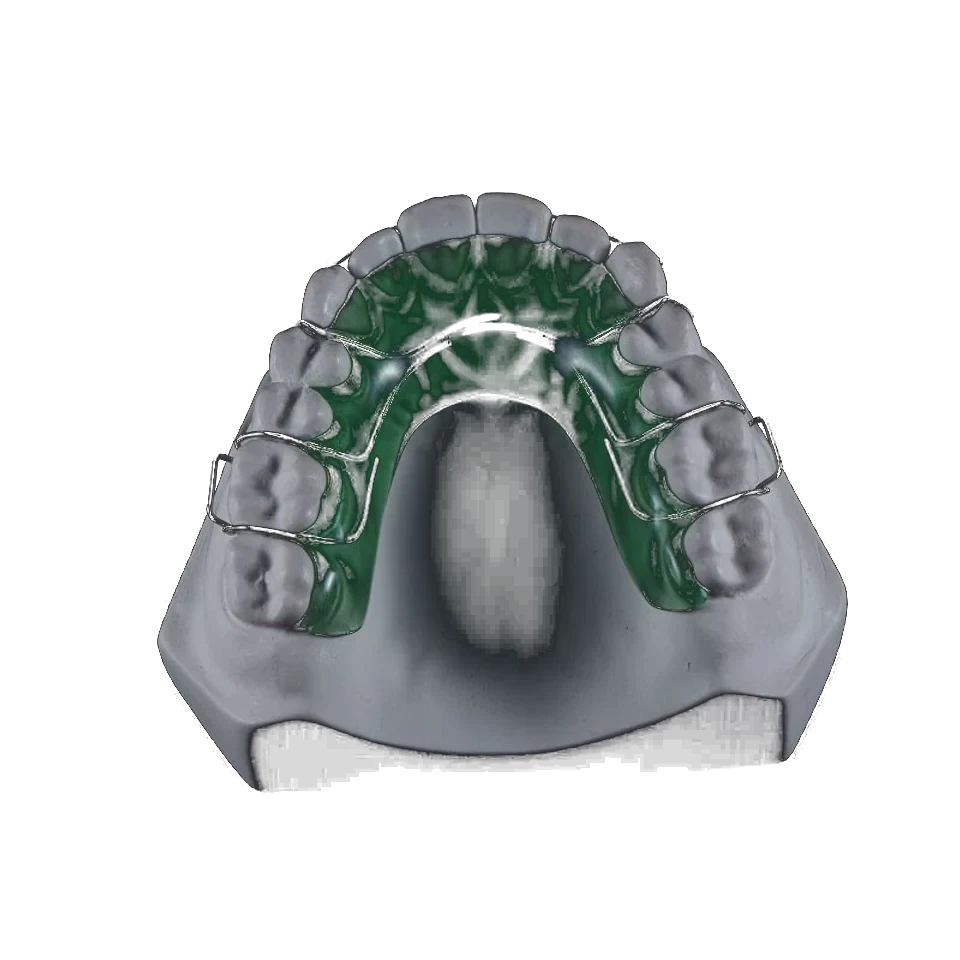
Hawley Retainers
Removable Hawley retainers with a wire and acrylic design produced to the written prescription, with component placement checked before finishing.
View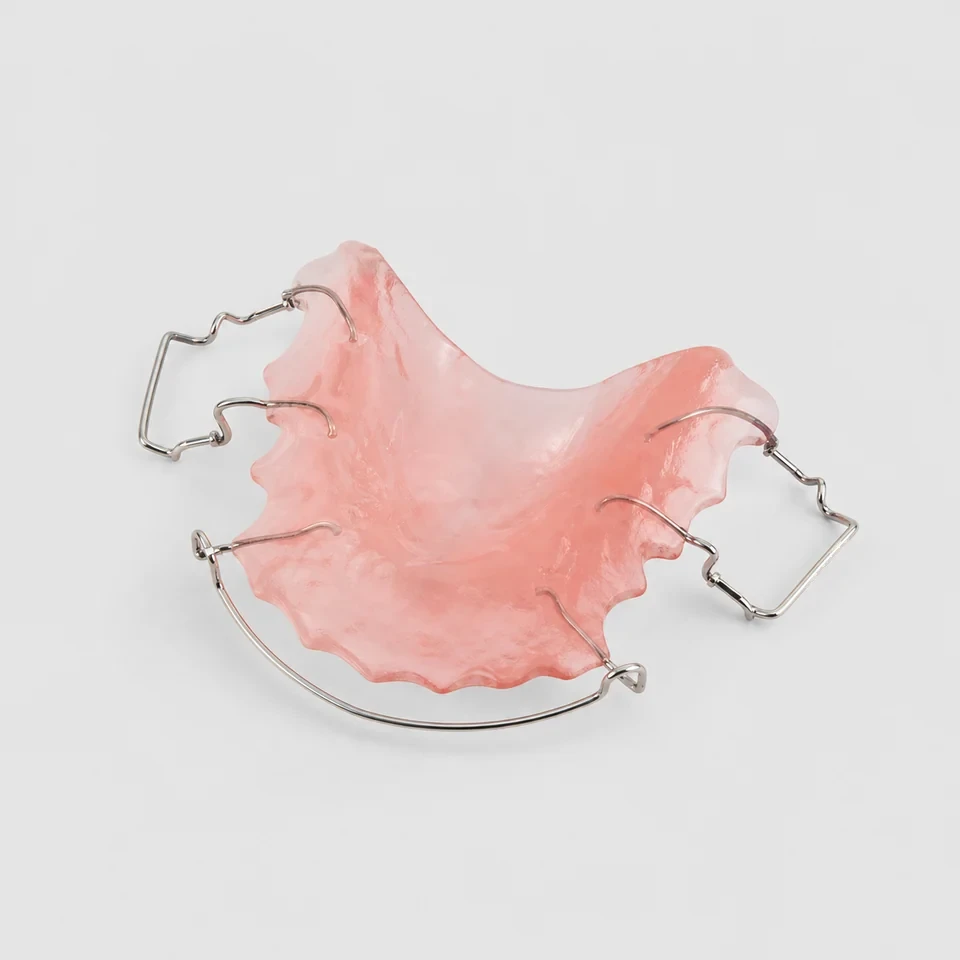
Orthodontic Appliances
Retainers, space maintainers and selected prescription-based appliances produced to written instructions from the treating clinician.
View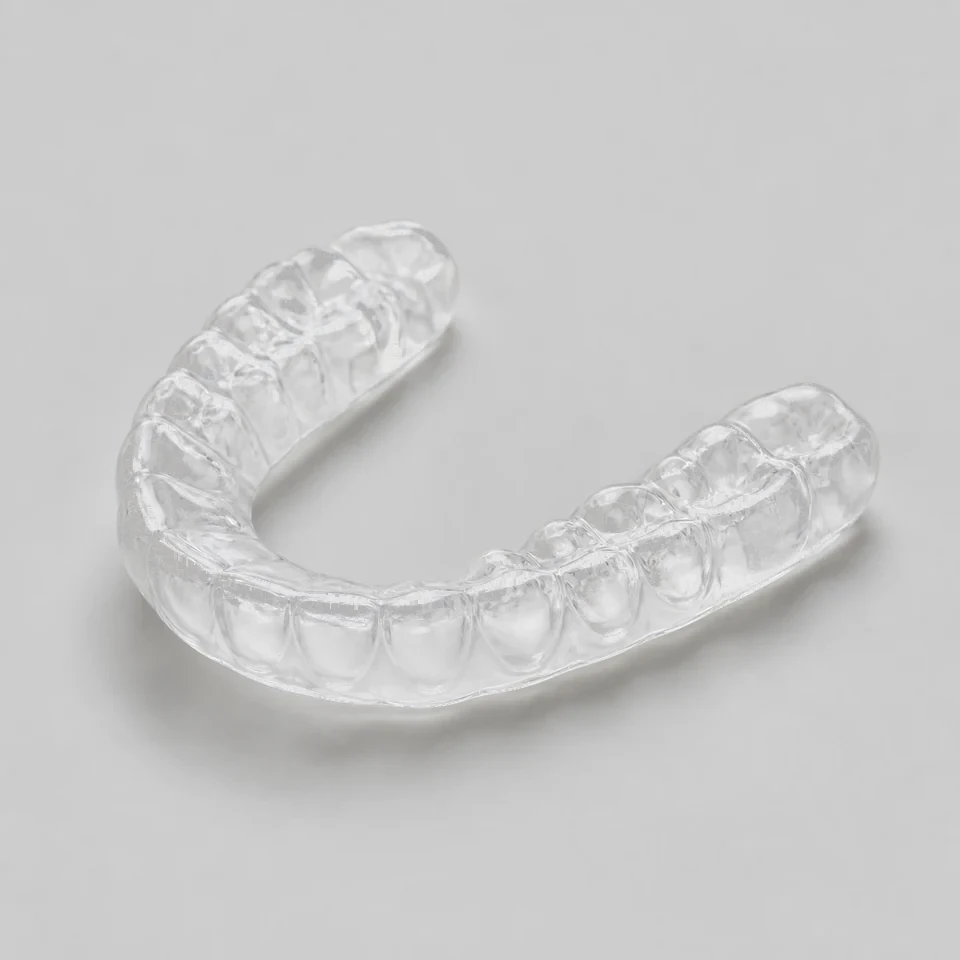
Night Guards
Occlusal guards produced from digital or traditional records, with material, thickness and occlusion confirmed before production.
View