
Product guidance
Orthodontic Appliance Lab Support: Retainers, Expanders and More
Orthodontic appliances are built from the same models and scans as restorative work, but to a different set of measurements. This guide covers what the lab needs.
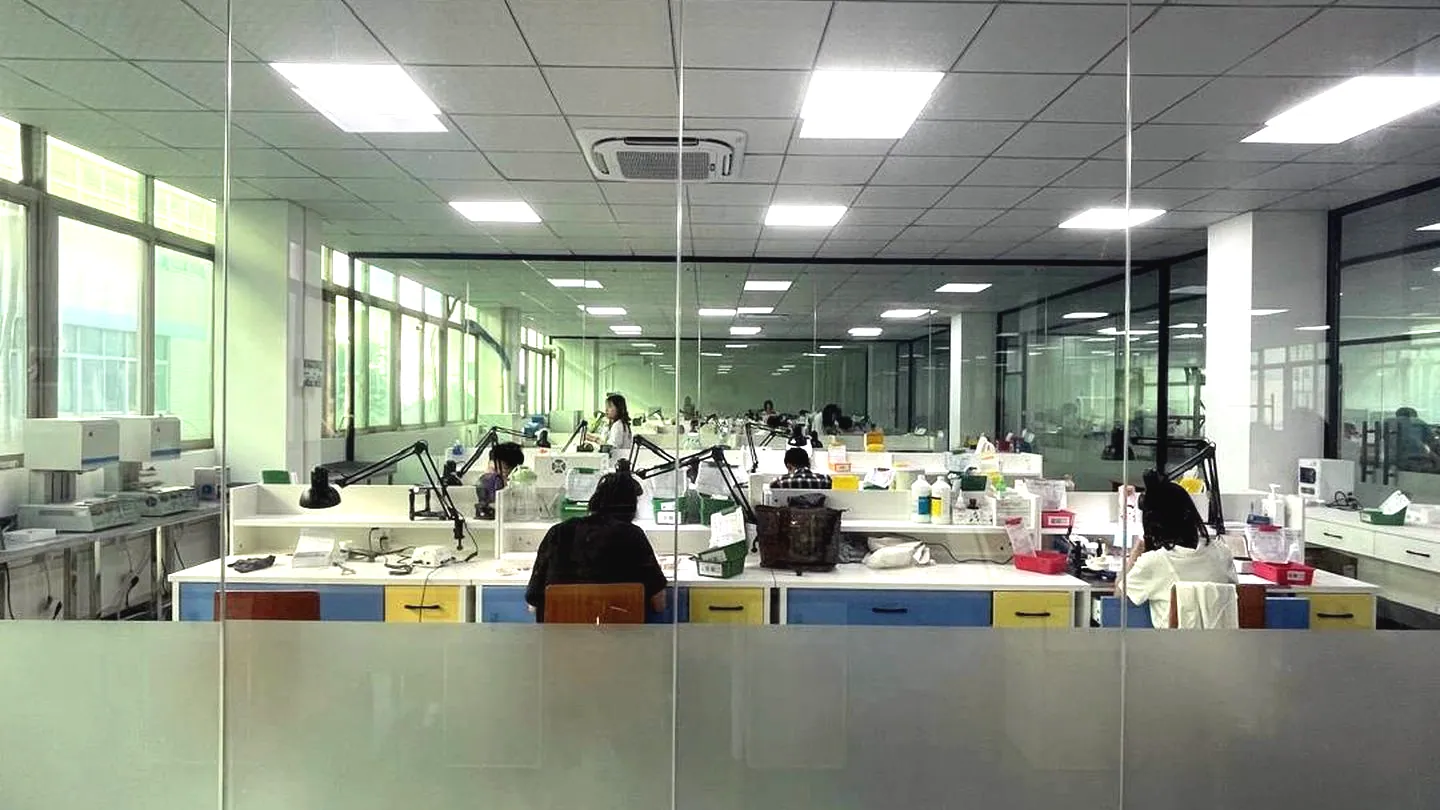
Orthodontic work is often thought of as a chairside activity, but most of the appliances that hold or guide a result are made in a laboratory. Orthodontic appliance lab support covers retainer fabrication, expansion appliances, functional appliances and the retainers that follow aligner therapy, and it depends on records that are as specific as any restorative case. This guide sets out what a laboratory produces, what each appliance needs, and where the clinic and the laboratory have to agree before production. The orthodontic appliances page lists the appliance families the laboratory supports.
What a laboratory does for orthodontic cases
A laboratory turns a model or a scan into a finished appliance: it designs or hand-crafts the appliance, builds it to the measurements on the prescription, finishes and polishes it, and returns it ready to seat. The work spans removable retainers, fixed retainers, active and passive expansion appliances, functional appliances for growth guidance, and the clear retainers commonly issued after aligner treatment. Because these appliances are worn by the patient, fit and finish matter as much as they do on a crown.
Retainers
A removable retainer holds the position a treatment has reached. The classic design combines an acrylic base with a labial wire, and it is built on a model or scan of the finished arch. A clear retainer is a vacuum-formed or printed shell that covers the teeth. Either design depends on an accurate model, because the retainer only holds what the model actually shows; a distorted impression produces a retainer that either rocks or grips unevenly. The Hawley retainer page covers the wire-and-acrylic design in more detail.
Expanders
An expansion appliance widens the arch and is built around a screw mechanism set into acrylic or a metal framework. The screw is positioned according to the intended expansion axis, which the prescription has to state, because the appliance transmits force through the teeth and the palate. The laboratory needs to know where the expansion is wanted and how the appliance will be activated, since an appliance built to the wrong axis will move the teeth in the wrong direction. The orthodontic expanders page describes the appliance and the records it needs.
Functional and growth-guidance appliances
Functional appliances guide the relationship between the arches rather than moving individual teeth. They are built from a bite registration that records the intended forward or vertical position, plus models of both arches. Because the working position is defined by the bite record, that record is the single most important part of the case: if it does not reflect the intended position, the appliance will hold the wrong one. The laboratory checks the registration against the models before construction and queries any inconsistency.
Clear aligner retainers
Where aligner treatment has finished, a clear retainer is used to hold the result. It is produced from a scan of the finished arch, so the sequence matters: the retainer should be made from the position the teeth actually reached, not the position the last aligner was designed for. Some clinics also use clear retainers as an interim measure during treatment, which changes the thickness and the coverage the laboratory is asked for. The clear aligner retainers page covers the design and the scan requirements.
Records each appliance needs
Every appliance needs a current model or scan, an opposing record where the appliance reaches the opposite arch, and a bite registration where the working position is defined. On top of those, the prescription should state the appliance type, the tooth numbers it engages, the intended movement or holding position, the material and the color of the base or shell, and any wire specification. Records taken from an old model will produce an appliance that fits the old position, so the model date matters.
Model and scan requirements
A poured model has to be trimmed to a clean base and free of bubbles, because the appliance is built on the model as it stands. A digital model should be a complete arch with no missing teeth at the ends, and it should be oriented consistently so the laboratory can identify the arch and the side. Where an appliance crosses the palate or the lingual surfaces, the scan has to include those surfaces fully. Cases that arrive as a partial scan are the most common source of a query, and the digital workflow page explains how scans are reviewed on receipt.
Review and fit checks
Before dispatch, the laboratory checks that the appliance sits on the model without rocking, that any screw or wire is positioned as specified, and that the acrylic or shell is finished to a smooth surface. These checks catch the errors that would otherwise be found at the chair. Clinics can help by reporting how the first appliance fits, since a systematic fit issue is usually traceable to the model or the registration rather than to the appliance itself.
Where clinic and laboratory must coordinate
Three points need agreement. First, the position the appliance is meant to hold or reach, which comes from the treatment plan. Second, the appliance type and material, including whether a fixed or removable retainer is intended. Third, the records to be sent and the date they were taken. When these are stated on the prescription, the laboratory can build to the plan; when they are left implicit, the appliance is built to an assumption, and the difference only shows up at the next visit.
Next step
Send the current model or scan with the opposing and bite records, and state the appliance type, the target position and any material or wire preference. The laboratory will confirm the records support the design before construction begins. Send a case to start.