
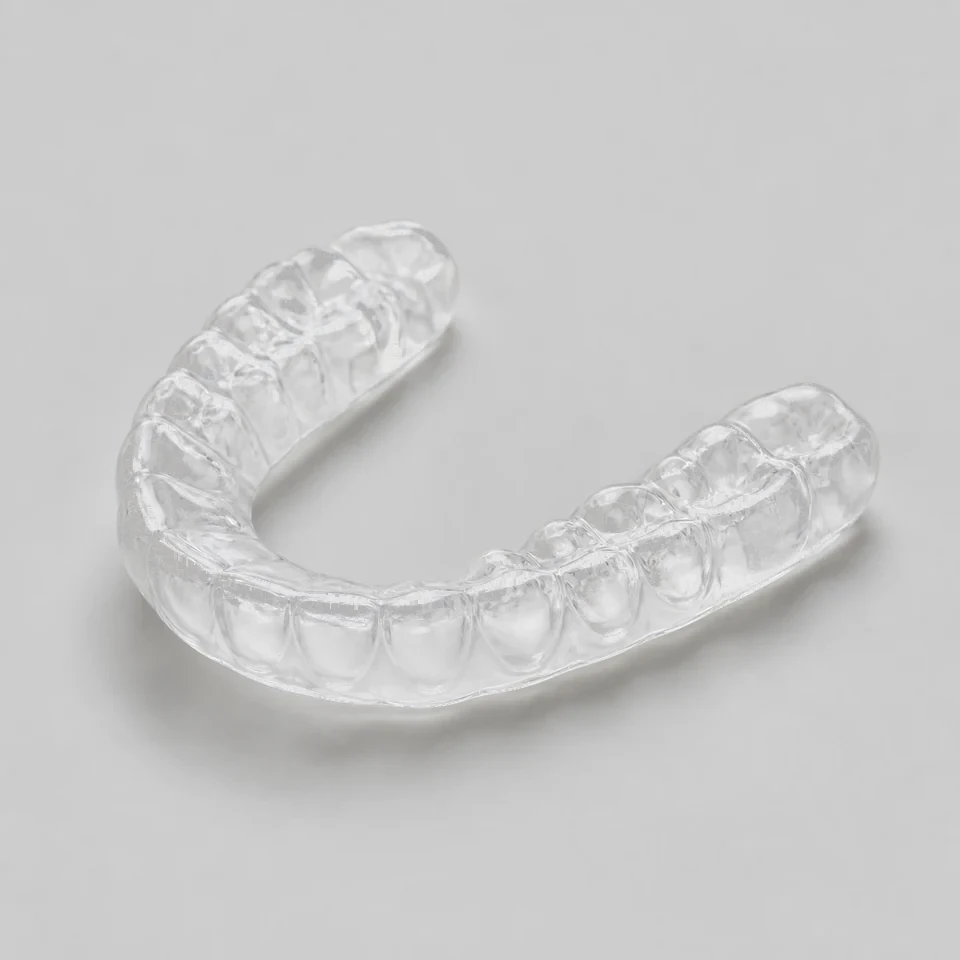
Night Guards
Occlusal guards produced from digital or traditional records, with material, thickness and occlusion confirmed before production.
Details at a Glance
| Restoration type | Appliance — occlusal guard |
|---|---|
| Material options |
|
| Design options |
|
| Commonly considered for |
|
| Records to supply |
|
| Quality focus |
|
| Turnaround | Appliance cases are scheduled by record quality and material confirmation. |
What Night Guards Are
A night guard dental lab fabricates custom occlusal guards from digital or traditional arch records, producing an appliance that covers the prescribed teeth to help manage contact during sleep. KC Dental Lab supports these workflows by confirming material, thickness and coverage before production, then reviewing fit and occlusion at quality checkpoints. Guards are made to the clinician’s specification rather than as a generic retail product, so the design follows the prescription and the submitted records. Each appliance is checked for seating and occlusal contact distribution before it is finished and dispatched, and the opposing arch is referenced so the guard relates correctly to the patient’s bite. Because the fabrication is prescription-driven, the night guard dental lab role is to execute the clinician’s instructions accurately and report any record issues that could affect the result. Hard and soft constructions are handled as distinct production routes, and the selected material determines the finishing method applied before dispatch. A reference guard can shorten repeat orders by removing the need to re-establish the design from scratch.
Who It Suits
This service suits clinics, laboratories, distributors and DSOs that prescribe custom guards and want the fabrication handled to specification. It is appropriate where the treating clinician determines the guard type and the laboratory delivers the finished appliance. The model also helps distributors and group practices maintain a consistent guard specification across many patients without running the production themselves. By supplying the arch records and prescription, the requesting party keeps clinical judgement in its own hands while the laboratory manages the make, finish and quality review. This division of responsibility suits practices that want a predictable, repeatable appliance without building in-house fabrication capacity.
- Clinics prescribing hard, soft or dual-laminate guards
- Laboratories outsourcing guard fabrication to capacity
- DSOs standardizing guard specs across locations
- Distributors coordinating replacement guard orders
Indications Commonly Considered
- Cases where a custom occlusal guard is prescribed
- Hard, soft or dual-laminate guard requests
- Full-arch or partial coverage guard designs
- Replacement guards reproduced from existing scans
- Anterior deprogramming designs where requested
- Cases needing a specific thickness per the prescription
Material and Design Options
- Hard acrylic for a rigid occlusal splint
- Soft material for a more flexible option
- Dual-laminate with a softer inner and firmer outer layer
- Thickness selected per the prescription and intended use
- Full or partial arch coverage as instructed
What the Case Needs
- Arch impressions or scans of the treated jaw
- Material and thickness preference
- Opposing arch and a bite registration
- Full or partial coverage instruction
- Any special finishing or marking notes
- A reference guard if a replacement is requested
Digital Workflow Requirements
- STL, PLY or OBJ scans of the arch to be restored
- Opposing arch and a bite registration for occlusion
- Coverage area clearly indicated in the prescription
- Thickness and material noted for production
- Any adjustment or deprogramming notes supplied
Compatibility to Confirm
- Scanner and file format compatibility for digital cases
- Whether hard, soft or dual-laminate is prescribed
- Full or partial coverage expectations
- Available thickness options for the chosen material
Quality Checkpoints
- Fit and full seating on the master model
- Occlusal contact distribution against the opposing arch
- Thickness and extension per the prescription
- Edge finishing, polish and cleanliness
- Retention and border adaptation
- Prescription consistency before packaging
Turnaround Variables
Night guard turnaround depends on record quality, material confirmation and whether opposing records are complete. Hard, soft and dual-laminate production each have different internal steps, and any requested adjustment or deprogramming design can add stages. Replacement guards from existing scans may move faster when the reference is clear, but new cases still require full review. The choice of thickness and coverage also influences finishing time, and a partial-coverage design is planned differently from a full-arch guard. Where both arches and a bite record arrive together, the case can move into production sooner than one supplied in stages. KC Dental Lab schedules each appliance after the material and records are confirmed, and discusses the expected sequence with the requesting party before the work begins.
Common Questions
Which guard type should be chosen?
The treating clinician selects the guard type based on the intended use, occlusion and patient-specific requirements.
Is a bite record always needed?
A bite record is typically needed where occlusal contacts or adjustment are required, and may be requested depending on the design.
Can digital files be reviewed before ordering?
Open digital files can be reviewed when the scan is complete and the file format and workflow are compatible.
How is thickness decided?
Thickness is set from the prescription and intended use, confirmed by the clinician before production begins.
Next Step
Send both arches, the bite record, guard type, thickness and coverage instructions for a workflow review. You can send a case or start a trial case to confirm fit. See the night guard dental lab page for options or the dental appliances overview for related products.
Related products
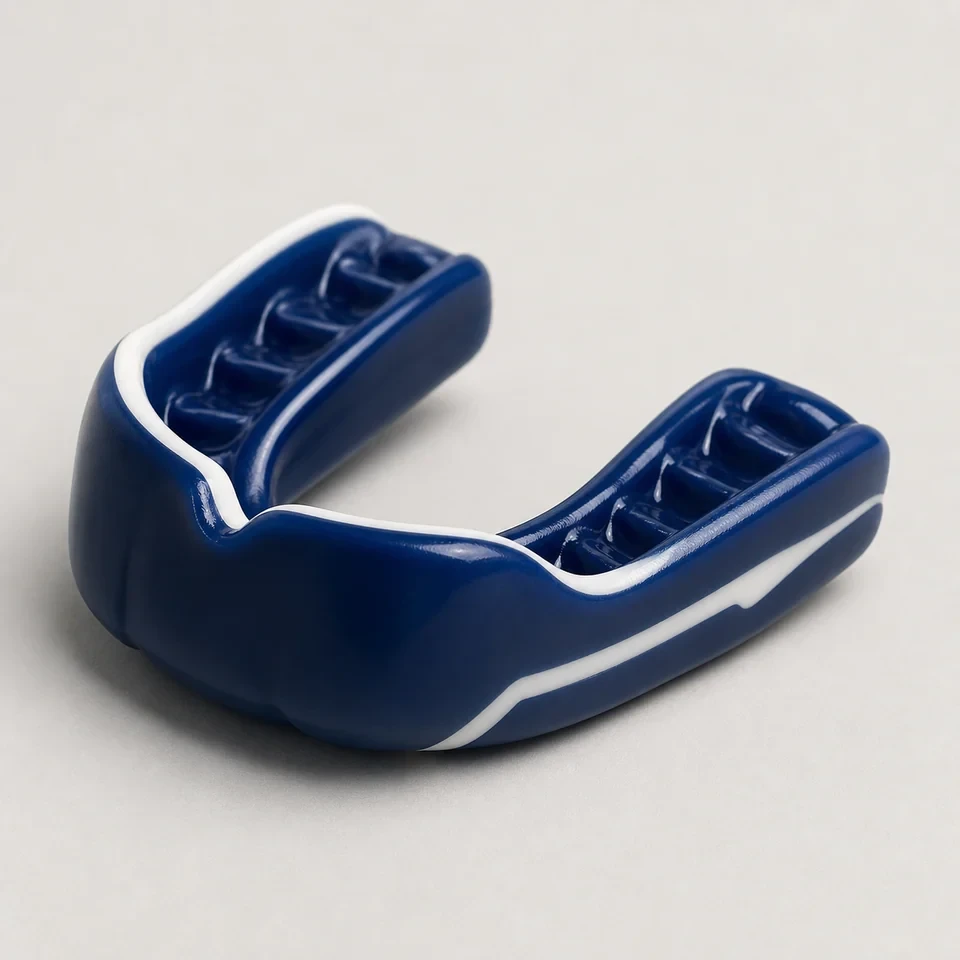
Sports Mouthguards
Custom sports mouthguards produced from arch records, with material, thickness and color confirmed before production.
View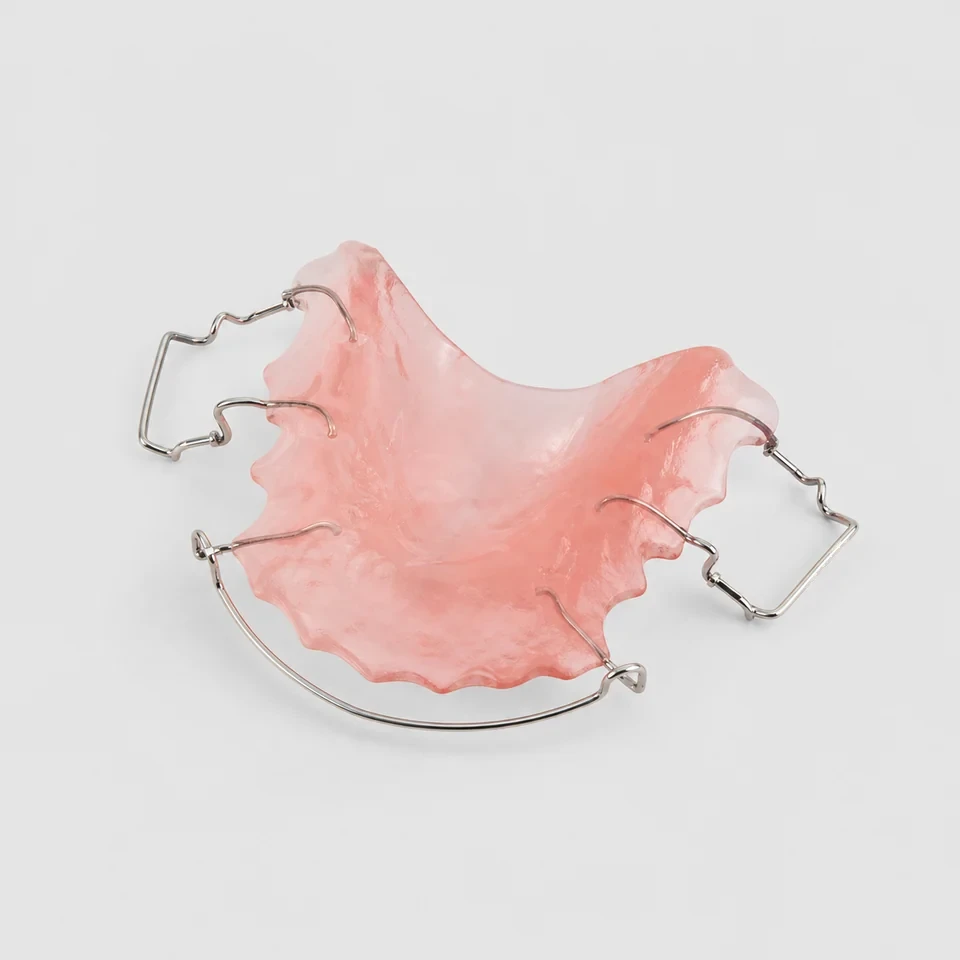
Orthodontic Appliances
Retainers, space maintainers and selected prescription-based appliances produced to written instructions from the treating clinician.
View