
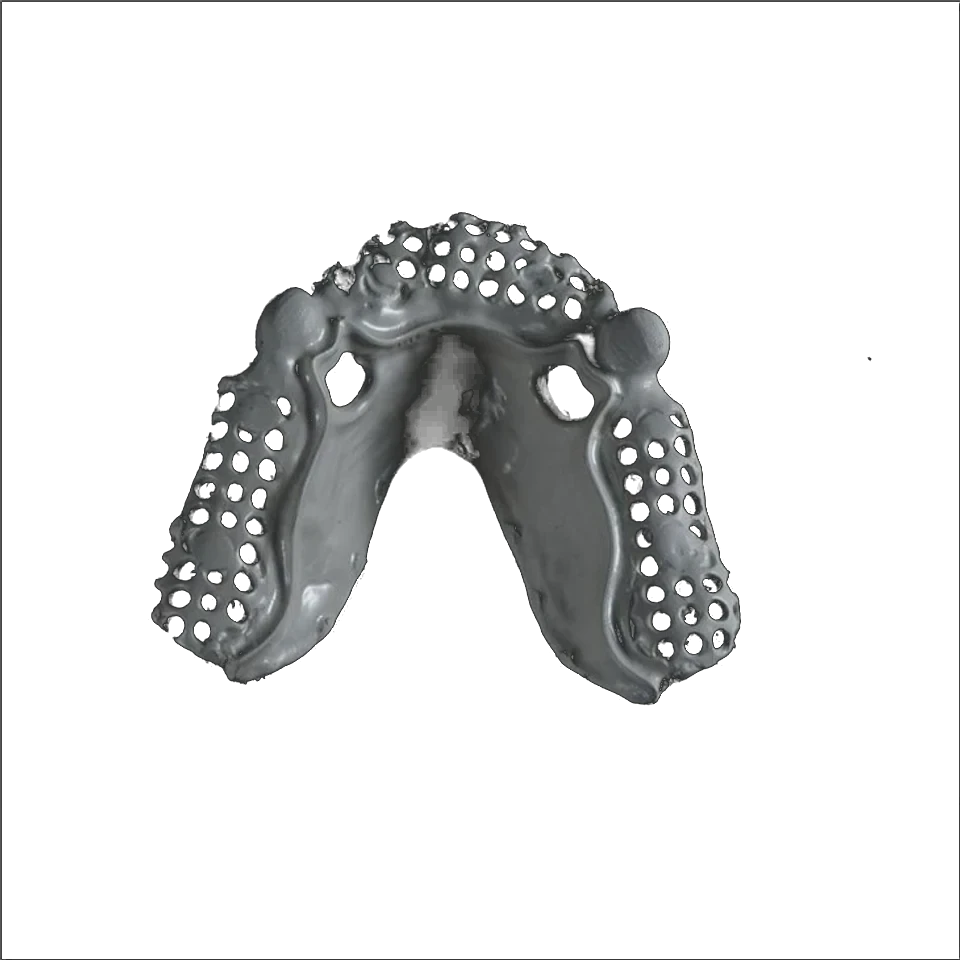
PEEK Frameworks
PEEK removable partial frameworks produced as a metal-free alternative, with framework design, rests and connectors confirmed before finishing.
Details at a Glance
| Restoration type | Removable restoration — PEEK partial framework |
|---|---|
| Material options |
|
| Design options |
|
| Commonly considered for |
|
| Records to supply |
|
| Quality focus |
|
| Turnaround | PEEK framework cases are scheduled by framework complexity and record quality. |
What PEEK Frameworks Are
A PEEK framework dental lab produces removable partial denture frameworks from a high-performance polymer rather than a cast metal alloy. PEEK is a rigid, light material that lets a partial framework be built without a metal framework, which some clinicians prefer where a metal-free restoration is requested or where a lighter appliance suits the patient. KC Dental Lab supports these workflows by reviewing the arch records, framework design and connector specification before the framework is produced. The design is followed as prescribed, so rest seats, connectors and clasps are placed where the clinician has planned them.
The material behaves differently from cobalt-chrome, and that difference shapes how the framework is designed and finished. Because PEEK is lighter and can be tinted, the framework can be made less conspicuous than a metal one, but it also means the design must respect the material’s properties at the connectors and clasps. Each framework is checked against the arch records so it seats fully and distributes support across the abutments as intended. Where the records or the design are incomplete, the laboratory reports the gap before production instead of guessing.
Who It Suits
This service suits clinicians, laboratories, distributors and dental groups that want a metal-free partial framework delivered to a written prescription. It is appropriate where the treating clinician determines the framework design and the laboratory reproduces it from the supplied records. The model also helps practices that want to compare a polymer framework against a cast cobalt-chrome framework for the same case. Laboratory partners can place PEEK framework work externally while keeping patient contact and clinical decisions in house, and a single-unit trial case shows how the laboratory reads arch records and connector design before a larger batch is committed.
- Clinics seeking a metal-free partial framework option
- Laboratories outsourcing PEEK framework fabrication
- Distributors and agents serving removable-focused practices
- Dental groups standardising a partial framework protocol
Indications Commonly Considered
PEEK frameworks are usually considered where a removable partial is needed and a metal-free or lighter framework is preferred. Typical requests include the following.
- Metal-free partial denture frameworks
- Cases where a patient prefers a non-metal appliance
- Partial designs requiring a light framework weight
- Replacement frameworks reproduced from an existing design
- Framework cases with well-defined abutments and rests
- Cases where the framework is planned before acrylic and teeth are added
Material and Design Options
PEEK offers a metal-free route for a partial framework, and the design options follow the survey and the connector specification the clinician supplies. Because the material is lighter than a cast alloy, the framework can be built with less visible metal, but the rests, connectors and clasps still have to be placed where the design intends. The options below describe the choices that can be specified before the framework is produced, and any tint or acrylic selection is confirmed during the review.
- PEEK polymer framework tinted to a natural-looking shade
- Framework design following the supplied survey and rests
- Connector and clasp configuration as specified
- Acrylic base and tooth shade selected per the prescription
- Replacement from an existing framework when supplied
What the Case Needs
A complete submission shortens the review stage and reduces the risk of a remake. The following details help the laboratory plan the framework accurately.
- Arch records of the treated jaw, in impression or digital form
- Framework design and connector specification
- Opposing arch and a bite registration
- Tooth shade and acrylic preference
- Notes on abutments, rests and any clasps required
- A reference framework when a replacement is requested
Digital Workflow Requirements
- STL, PLY or OBJ scans of the arch to be restored
- Opposing arch and a bite registration for the occlusal relationship
- Design or survey notes for the framework
- Clasp and connector instructions where specified
- Any CAD design file the clinician wishes to supply
Compatibility to Confirm
- Whether the case suits PEEK against the loading it will carry
- Framework design and connector specification before acceptance
- Whether physical models or digital files are supplied
- Acrylic and tooth shade options for the finish
Quality Checkpoints
Every PEEK framework passes a defined set of checkpoints before dispatch, because a removable partial depends on fit and support as much as on appearance. The reviews below confirm that the framework seats fully, that rests and connectors sit where the design intends, and that the finish is clean, and any point that cannot be confirmed is raised with the requesting party rather than assumed.
- Framework fit and full seating on the master model
- Rest seat placement checked on the abutment teeth
- Connector and clasp positioning per the prescription
- Framework surface finish and cleanliness reviewed
- Retention and adaptation at the clasps confirmed
- Prescription consistency checked before packaging
Turnaround Variables
PEEK framework scheduling depends on framework complexity and record quality rather than a fixed interval. A design with several rests, connectors and clasps naturally requires more bench time than a simple framework, and any shade or acrylic choices are confirmed during the review rather than assumed. Where the arch records are complete and the design is clear, the case moves into production sooner than one supplied in stages.
A replacement framework from a clear reference follows different internal steps than a new build, and a case that needs clarification before acceptance can extend the schedule. KC Dental Lab discusses the expected sequence with the requesting party before the work begins, and reports any record or design issue that could affect the result.
Common Questions
What is a PEEK framework made from?
PEEK is a high-performance polymer used as a metal-free alternative for removable partial denture frameworks. It is rigid and light, and it can be tinted so the framework is less conspicuous than a cast metal one.
How does PEEK compare with cobalt-chrome?
Cobalt-chrome is a long-established cast framework material with high rigidity, while PEEK is a lighter, metal-free option. The choice depends on the design, the loading and the clinician’s preference for the case.
Are digital scans supported?
Open digital scans in STL, PLY or OBJ are supported when the arch and bite records are supplied with a clear framework design. Scanner compatibility is confirmed before the first case.
What if the design is incomplete?
An incomplete framework design may need clarification before production, because rests, connectors and clasps must be placed as specified. Design completeness is reviewed at the intake stage.
Next Step
Send your PEEK framework case records with arch scans, a bite registration and the framework design so the case can be reviewed before production. You can compare the cobalt chrome partial option or the flexible partial option, read the removable denture lab guide for process context, or send a case to start a review.
Related products
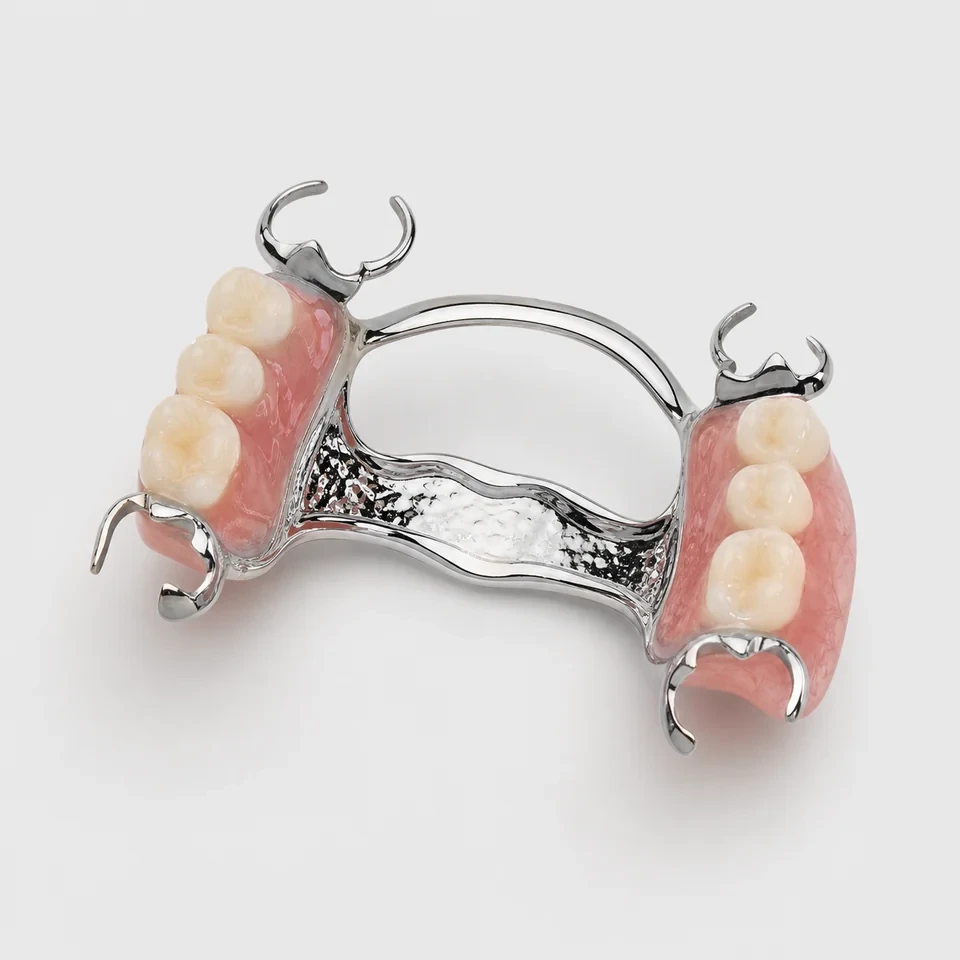
Cobalt Chrome Partials
Cobalt chrome frameworks and partial dentures designed from survey records, with fit and occlusion checked before finishing.
View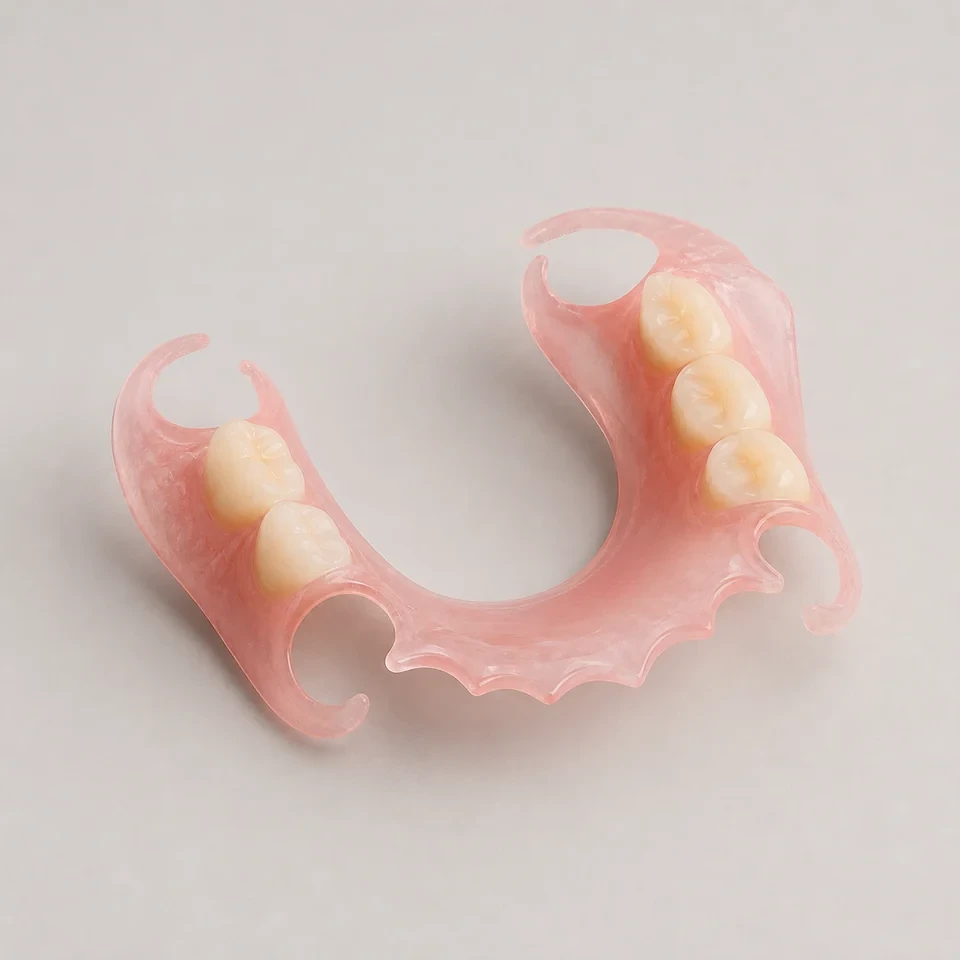
Flexible Partials
Flexible partial dentures designed from records, with clasp planning, shade and fit coordinated before production.
View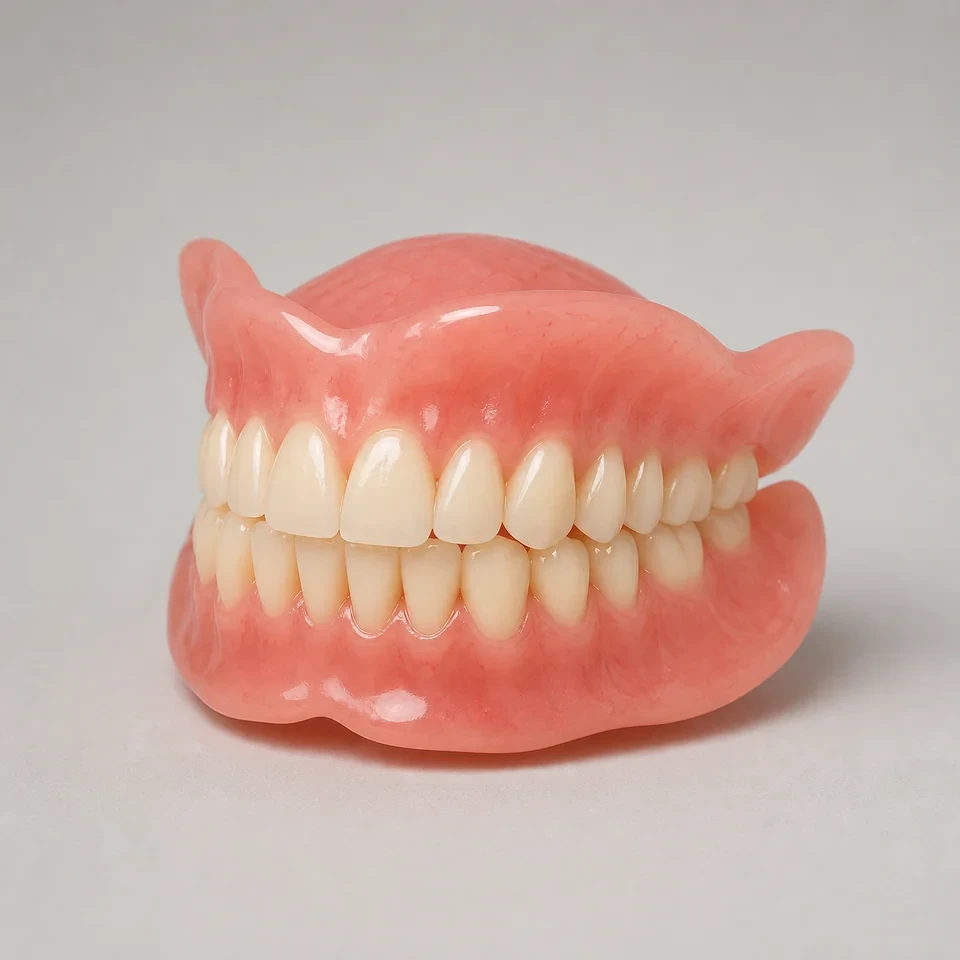
Full Dentures
Complete and immediate full dentures produced from records, with tooth setup, shade and bite coordinated before finishing.
View