
Dental lab basics
What Does a Dental Laboratory Do? Services, Workflow and Case Data
A dental laboratory turns prescriptions and records into finished restorations. This overview covers the service scope, the production steps and the data a case needs.
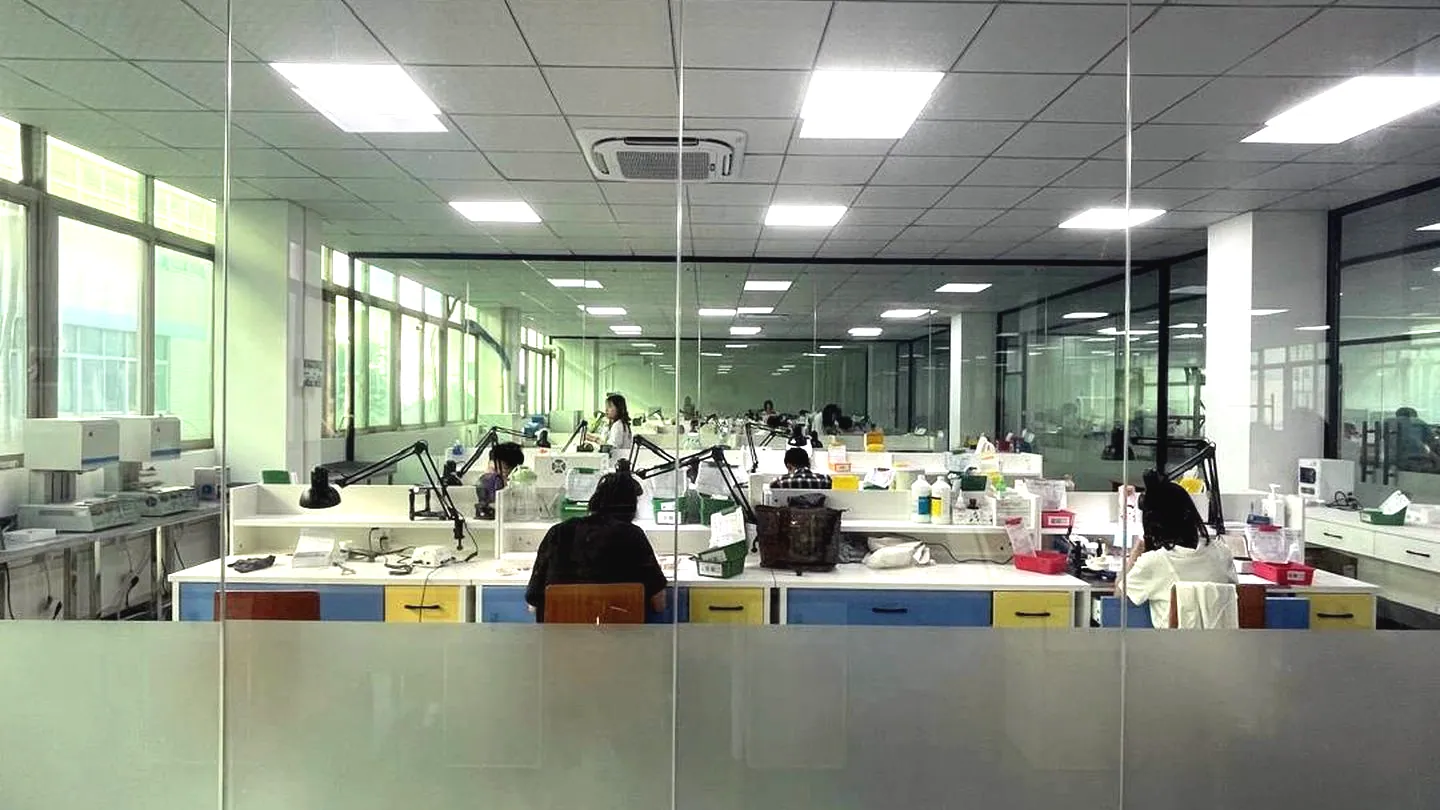
For a dentist planning a restoration, the practical question is often simply what does a dental laboratory do with the records they send. The short answer is that a lab turns a prescription, an impression or a scan, and a set of instructions into a finished restoration or appliance that a clinician can seat. The longer answer covers a range of services, a structured production workflow, and a steady exchange of case data between the clinic and the bench. This overview lays out the scope and the steps so the hand-off between practice and lab is easier to manage.
The role of a dental laboratory
A dental laboratory sits between the clinical record and the delivered restoration. It receives the prescription and the physical or digital records, interprets them against the mouth the dentist described, and produces the item to a defined specification. The lab does not prescribe treatment; it executes the clinician’s plan within the limits of the materials and the records supplied. Where the records are incomplete, the lab’s job is to ask before building, because a wrong assumption is more expensive to undo than a clarifying question. Understanding this boundary helps a clinic write better prescriptions and get more predictable results. That boundary is the heart of what does a dental laboratory do: turning clinical intent into a physical restoration without guessing at the plan.
Fixed restorations
Fixed work makes up the bulk of most lab case loads. It includes crowns and bridges in materials such as zirconia, lithium disilicate and porcelain-fused-to-metal, along with veneers and inlays or onlays. Each unit is designed to seat on a prepared tooth or a bonded surface and to carry the occlusion the dentist specified. The lab confirms margin seating, axial contours and contacts during production. For a single anterior crown the esthetic match dominates; for a posterior bridge the connector strength and the bridge span matter more. The clinician controls the indication, and the lab controls the execution of that indication.
Implant restorations
Implant work adds a component layer that fixed natural-tooth cases do not have. The lab produces implant crowns, custom abutments and full-arch frameworks, working from the implant system, the platform and the scan body record the clinic provides. Emergence profile and soft-tissue support become design variables, and screw access or cement space has to be built into the restoration. Getting the implant data right at submission matters more here than almost anywhere else, because the interface is standardized by the system, not shaped by the tooth. A missing platform reference turns a routine case into a guess.
Removable prosthetics and appliances
Removable work covers full dentures, partial dentures, night guards and a range of orthodontic and sports appliances. These cases are driven as much by function and comfort as by appearance. A denture has to balance, seat and stay stable; a night guard has to protect the occlusion without overloading it. The lab works from the arch relationships, the jaw record and the tooth setup the clinician approves. Because fit is judged against soft tissue that moves, removable cases depend heavily on accurate primary and secondary records and on a clear try-in stage before finishing.
How a case moves through the lab
A case typically follows a repeating path: receive and check records, design or set up, produce the framework or base, apply the esthetic layer, finish and polish, then verify and dispatch. Digital cases move through a design and milling or printing stage; conventional cases move through stone models and hand layering. At each stage a check confirms the work against the prescription before it advances. The structured case review keeps a complex order from drifting, and it gives the clinician a clear point to ask questions if the lab flags something in the records.
Digital versus conventional routes
Both routes reach the same restoration, but they differ in how the case is captured and adjusted. A digital workflow starts with an intraoral scan and keeps the model in software, which makes revisions faster and records easier to store. A conventional route starts with a physical impression and stone model, which some clinicians still prefer for certain soft-tissue or full-arch situations. Many labs run both and choose the route by case type rather than by habit. Knowing which route a case took tells you where to look if something needs correcting later.
What a clinic must supply
The records a clinic sends decide whether production can even start. At minimum the lab needs a clear prescription, a readable impression or scan with a clean margin, the shade reference where esthetics matter, and a bite or occlusal instruction. Implant cases need the system and platform; removable cases need the arch and jaw records. When any of these are missing, the lab should ask rather than assume, and the delay that follows is cheaper than a remake. Treating the submission as a complete data package, not a photo and a hope, is the foundation of a reliable result.
How to evaluate a laboratory
Evaluating a lab is less about slogans and more about process. Ask how cases are reviewed, how fit and shade are verified, how a remake is documented, and what records the lab expects from you. A lab with a written review and a clear remake policy gives you something checkable rather than a promise. Request a single trial case first, review the fit and contacts clinically, and only then expand the relationship. The pattern of the first few cases tells you more than a brochure ever will about what the lab actually does with your records.
Next step
If you want to see the workflow in practice, start with one well-documented case and review the result at the chair. To begin, send a case to the lab to review the full scope of fixed, implant and removable services before committing a larger case mix.