
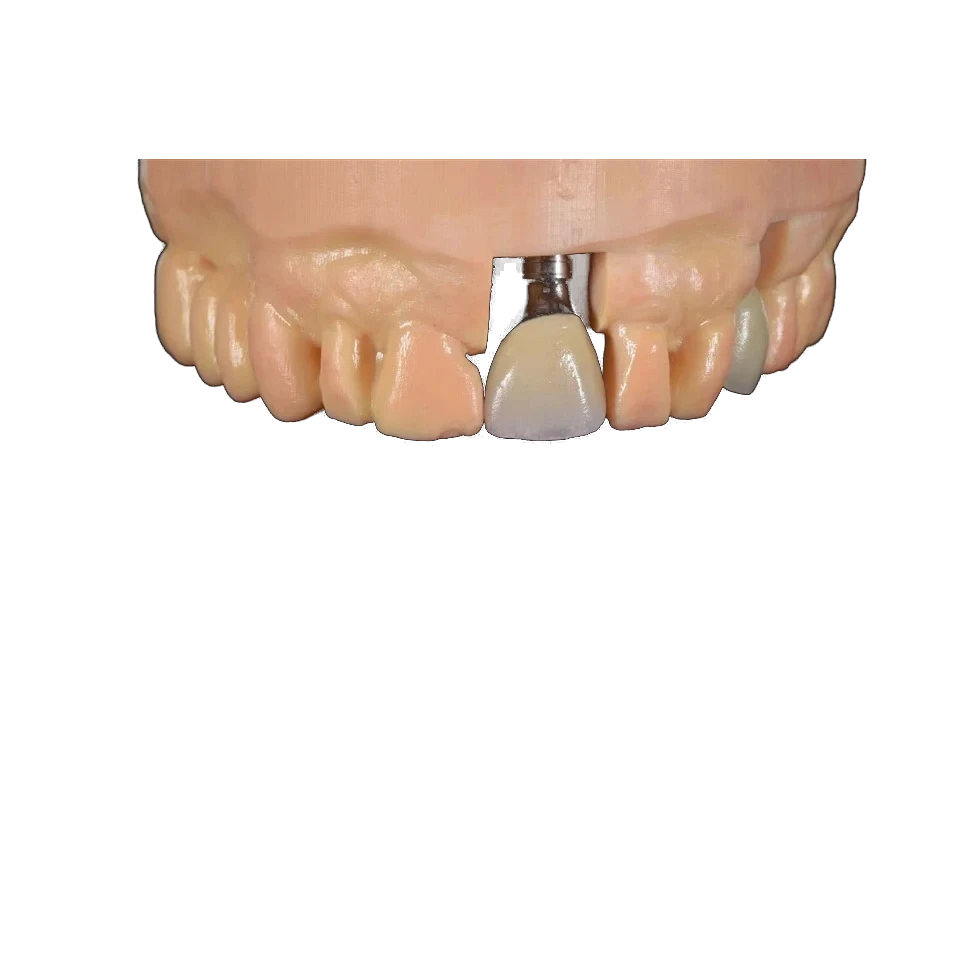
Screw-Retained Implant Crowns
Implant crowns retained with a screw through an access channel, designed around the implant connection and the planned emergence profile.
Details at a Glance
| Restoration type | Implant restoration — screw-retained crown |
|---|---|
| Material options |
|
| Design options |
|
| Commonly considered for |
|
| Records to supply |
|
| Quality focus |
|
| Turnaround | Screw-retained cases are scheduled by implant interface confirmation, unit count and the finish requested. |
What Screw-Retained Implant Crowns Are
A screw-retained implant crown dental lab produces a crown that is fixed to the implant by a screw passing through an access channel in the restoration, rather than being cemented onto an abutment. The design is built around the implant connection, the planned emergence profile and the screw path, and KC Dental Lab supports these cases by confirming the implant system and the scan transfer before production. Because the crown can be retrieved through the access channel, screw retention is often chosen where future access may be needed.
Screw retention changes the design priorities. The access channel has to sit where the screw can be reached without compromising the occlusion, and the emergence profile has to follow the soft tissue so the restoration reads naturally at the margin. That is why the review stage confirms the implant interface, the scan transfer and the intended channel position before the crown is milled.
Who It Suits
This service suits clinicians planning implant crowns where retrieval or cement avoidance is a priority, and laboratories that want a screw-retained unit produced to a verified interface. It also fits implant-focused practices and groups standardizing a screw-retained protocol across locations.
- Clinics restoring single implant units where retrieval matters
- Laboratories producing screw-retained crowns to a confirmed interface
- Practices working with limited interocclusal space
- Dental groups standardizing a screw-retained implant protocol
Indications Commonly Considered
Screw-retained implant crowns are usually considered where the retention method and the access channel suit the case. Typical requests include the following.
- Implant crowns where the restoration may need to be retrieved
- Cases with limited interocclusal space
- Posterior and anterior single implant units
- Situations where cement is being avoided at the margin
- Cases where an angled screw channel is required
- Replacements of existing screw-retained crowns
Material and Design Options
The interface and the access channel are the main design decisions, because the crown is retained through the restoration itself. The material provides the surface, and the channel position and angulation are planned around the screw path. Where a case calls for a particular material or channel position, it is confirmed on the prescription before the crown is milled.
- Zirconia over a screw-retained base for a strong metal-free surface
- Lithium disilicate where indicated for esthetic single units
- Access channel position confirmed per case
- Angled screw channel where the screw path requires it
- Shade and surface finish selected per prescription
What the Case Needs
A complete submission shortens the review stage and reduces the chance of a remake. The following records help the laboratory plan the interface and the channel.
- Implant system, platform and connection type
- A scan with the scan body or an approved model
- Bite records and occlusal scheme information
- Shade references where shade matching is required
- Notes on the planned access channel position
- Any existing crown or abutment the case must match
Digital Workflow Requirements
- STL, PLY or OBJ scan with the scan body captured in position
- Opposing arch and a bite registration for articulation
- Implant analogue or model for interface verification
- Notes on access channel position and angulation
- Shade references where shade matching is required
Compatibility to Confirm
- Implant system and connection, which determine the interface component
- Restorative space, which affects whether an angled channel is needed
- Emergence profile and soft tissue form at the site
- Local delivery and torque protocol expectations
Quality Checkpoints
Every screw-retained implant crown passes a defined set of checkpoints before dispatch, because the restoration is retained through its own structure. The reviews below confirm that the crown seats correctly, the access channel suits the screw path and the shade matches the supplied references, and any point that cannot be confirmed is raised with the requesting party rather than assumed.
- Interface fit and seating checked on the analogue or model
- Screw access and channel position verified
- Emergence profile and margin reviewed against the site
- Proximal contacts and occlusion checked against the provided records
- Shade and finish reviewed against references
- Prescription consistency checked before the case is dispatched
Turnaround Variables
Screw-retained scheduling depends on implant interface confirmation, unit count and the finish requested rather than a fixed interval. Because the interface component has to match the implant system, the confirmation step happens before milling, and any clarification of the connection adds review time. Shade and photograph review and the completeness of the implant records also shape the confirmed timing.
Where a case requires an angled channel or an additional verification step, that time is reflected in the confirmed timing. A straightforward single-unit case usually moves through fewer stages than a multi-unit run, and the schedule is confirmed once the prescription, files and interface details are complete. KC Dental Lab discusses the expected sequence with the requesting party before production begins.
Common Questions
When is a screw-retained crown preferred over a cemented one?
Screw retention is often preferred where the restoration may need to be retrieved and where cement is being avoided at the margin. The choice also depends on the implant system and the available restorative space.
How is the access channel positioned?
The access channel is positioned along the planned screw path so the screw can be reached without compromising the occlusion. Where the path requires it, an angled channel is used.
What implant information is needed?
The implant system, platform and connection type are required, together with a scan capturing the scan body or an approved model. Without that information the interface cannot be confirmed.
What records should be supplied?
The implant details, a verified scan or model, bite records and the target shade are the essentials, along with any note on the planned channel position.
Next Step
Send your screw-retained implant crown case with the implant records, scan and shade references so the interface and channel position can be confirmed before production. You can compare the implant crown service or the custom abutment option, read screw-retained vs cement-retained implant crowns for context, or send a case to start a review.
Related products
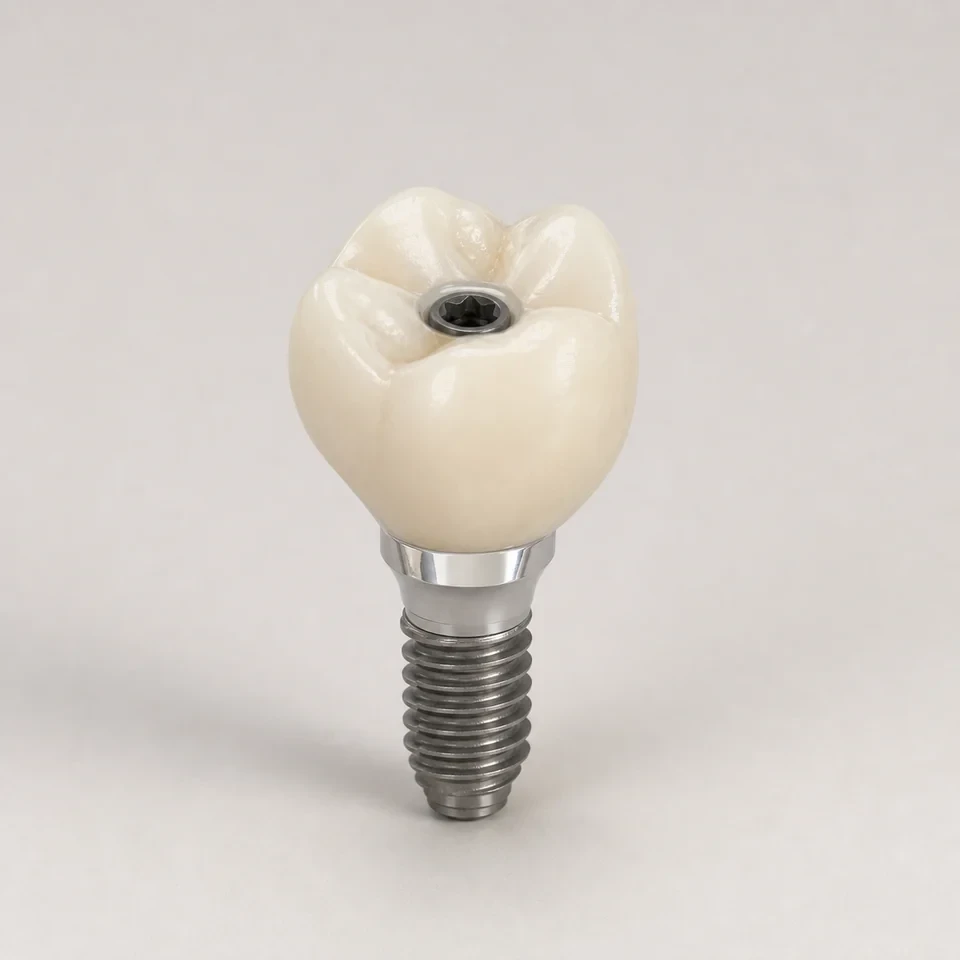
Implant Crowns
Implant-supported crowns designed from scan body data with system and connection verification, retention options reviewed case by case.
View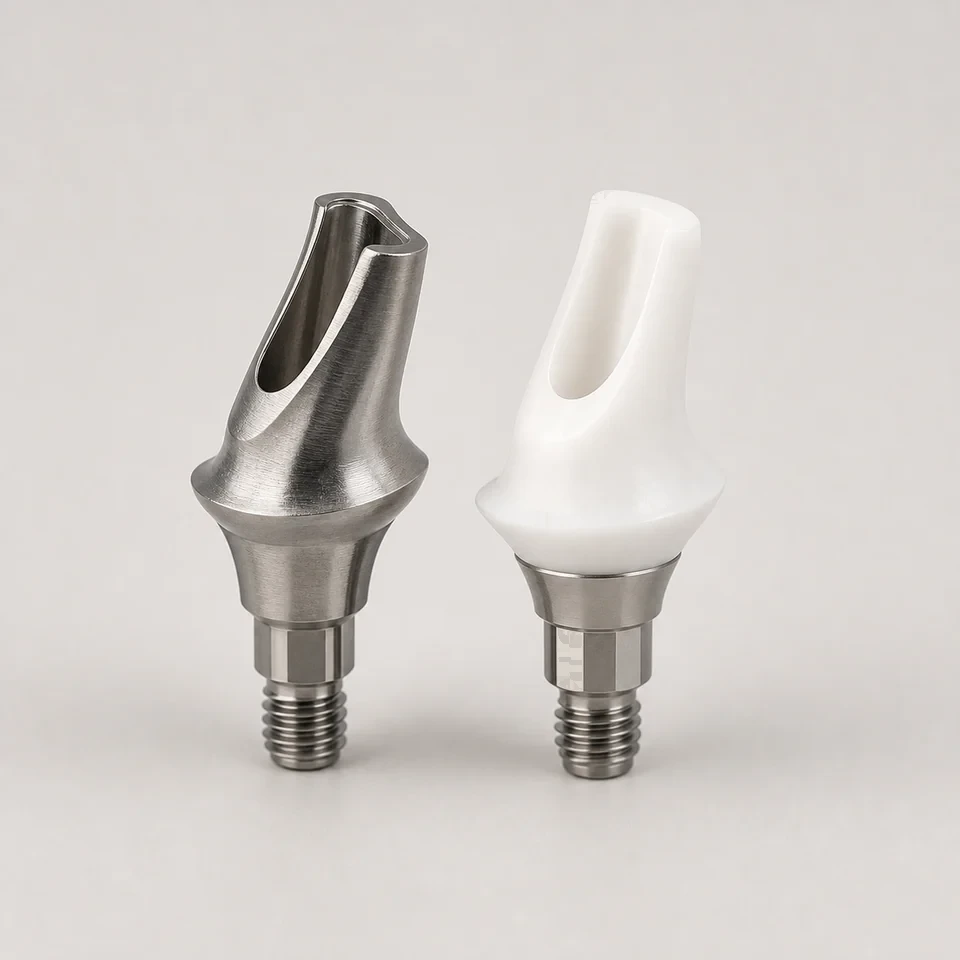
Custom Abutments
Custom abutments designed from scan body data for the confirmed implant system, with emergence profile shaping and retention review.
View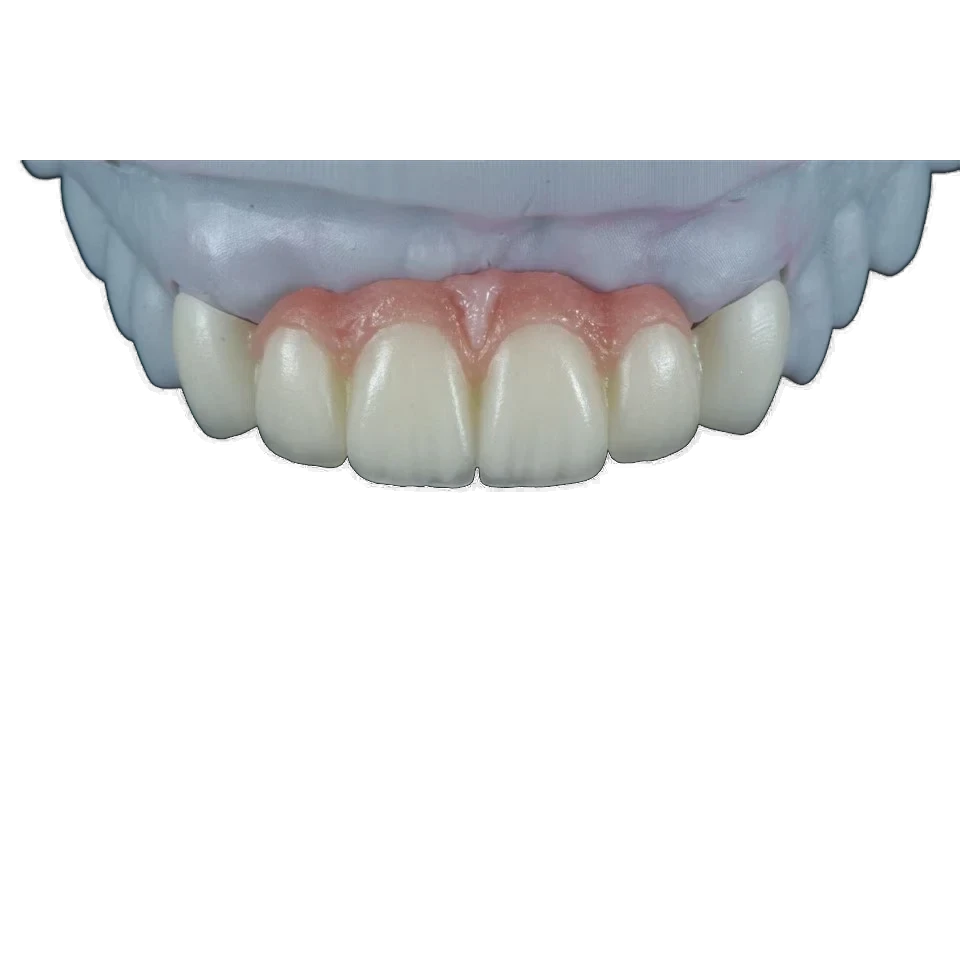
Implant Bridges
Multi-unit bridges supported by implants, designed around the connection, the emergence profile and the gingival form of the site.
View