
Send Traditional Cases
Submit impressions, bite records and physical models for cases that are not scanned, with the prescription and reference records the laboratory needs for review.
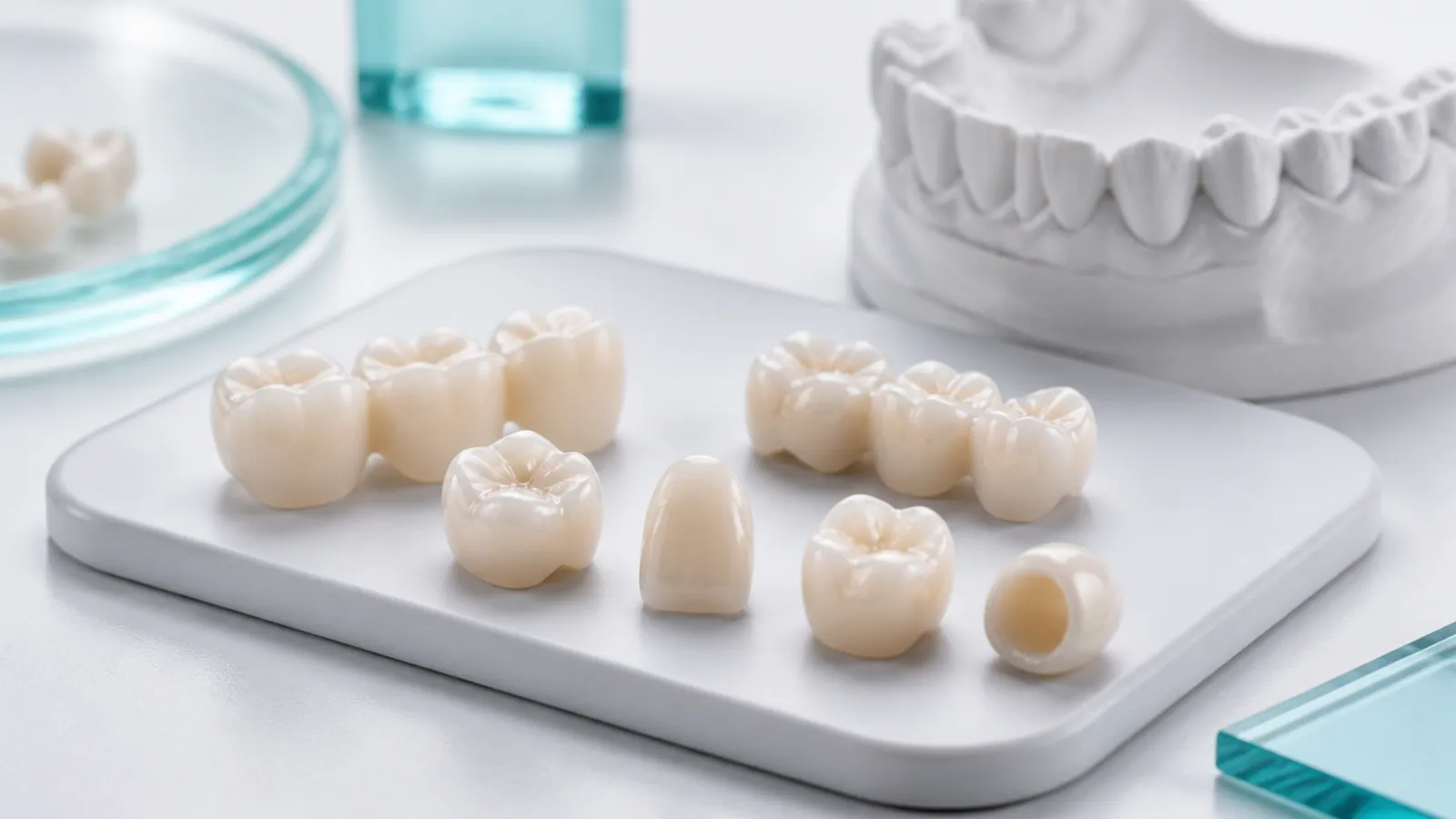
Not every case is captured digitally. Edentulous cases, cases that need a physical bite relation, and practices that still work from impressions are all welcome, and they follow a documented traditional path from record to dispatch. This page explains what a traditional submission contains and how the records are reviewed.
When to Use the Traditional Path
Choose the traditional path when the case needs a physical impression, when a bite relation has to be captured on an articulator, or when the practice does not yet scan. Removable and full-arch cases often follow this route because they depend on accurate physical records of soft tissue and vertical dimension.
- Crowns and bridges captured with a conventional impression
- Removable and partial denture cases built from impressions and bite records
- Cases that require an articulator-mounted bite relation
- Duplicate or replacement prosthetics made from an existing appliance
What to Include With a Traditional Case
A complete record set is the single biggest factor in a predictable result. The following items travel with the physical case.
- A completed laboratory prescription: restoration type, tooth numbers and material
- Upper and lower impressions with clearly readable margins and no drags
- A bite registration, and a facebow record where the occlusal scheme requires it
- Shade specification and a reference photo or shade tab where shade matching is required
- Implant analogues, scan bodies or transfer components for implant cases
- Any existing appliance, denture or model that helps reproduce the current situation
Model, Die and Bite Handling
Receiving records are inspected before any model is poured. Impression quality, margin definition and bite stability are checked, and if a record cannot support a predictable design the laboratory raises the issue with the requesting clinician before proceeding rather than working from an incomplete record. Where a case is trialled, an intermediate model or try-in stage can be included so the fit and setup are reviewed before final production.
How the Traditional Review Works
Once the physical records arrive, the case follows the same review discipline as a digital case.
- The records are inspected for impression quality, margins and bite stability.
- Models or dies are produced only after the records check out.
- The design is reviewed against the prescription before production.
- Quality checkpoints are completed and the case is prepared for dispatch.
Related Submission Path
Cases that can be captured with an intraoral scanner are handled through the digital submission path, which removes impression distortion and model shipping for suitable work. Both paths use the same review form, and the laboratory confirms which route fits the case before work begins.